Hungary’s Parliament Moves to Oust President in Sweeping Anti-Orban Reform
Hungarian parliament passes a constitutional amendment to remove President Tamas Sulyok, marking a major shift in the country's political landscape under the new Tisza Party government.
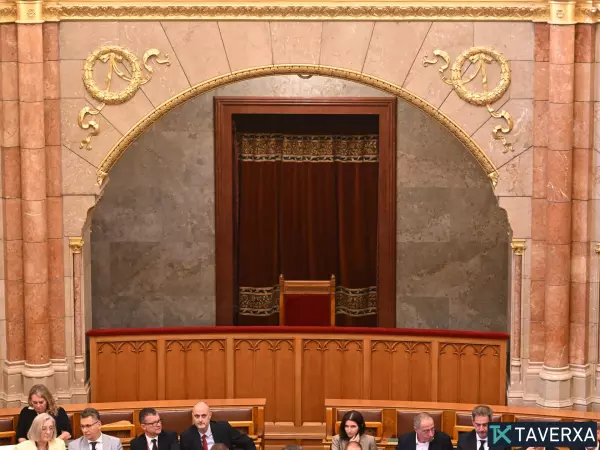
In a decisive legislative maneuver, the Hungarian parliament voted overwhelmingly on July 13, 2026, to pass a constitutional amendment aimed at removing President Tamas Sulyok from office. The measure, which passed with a significant majority of 139 votes in favor versus six against, represents the most aggressive step yet by the new administration to dismantle the legacy of former Prime Minister Viktor Orban.
A New Political Landscape
Following the landslide victory of Prime Minister Peter Magyar’s Tisza Party in April, which ended sixteen years of dominance by Orban’s Fidesz party, the new government has moved rapidly to consolidate power and reform state institutions. The legislative session saw the Fidesz bloc, including the president, boycott the proceedings, underscoring the deep polarization currently defining Hungarian politics.
The 'Operation Cleansing Fire' Initiative
Central to this shift is a broad reform program spearheaded by Prime Minister Magyar, internally branded as 'Operation Cleansing Fire.' This initiative is designed to purge remnants of the previous regime from key state positions. The newly passed constitutional amendment serves as a cornerstone of this strategy. Beyond the removal of the president, the bill mandates:
- The establishment of a dedicated body to investigate alleged financial corruption under the former administration.
- The implementation of comprehensive judicial reforms to ensure institutional independence.
- The introduction of a 12-year term limit for members of parliament to prevent future consolidation of power.
Presidential Resistance and Next Steps
President Sulyok, who assumed his role in early 2024 following the resignation of his predecessor, faces an uncertain future. Under the new legislation, the president is granted a five-day window to sign the amendment into law. Prime Minister Magyar has signaled that failure to do so will trigger an immediate impeachment process.
Critics of the administration express concern that the speed of these reforms may challenge the traditional balance of power, while supporters argue that the moves are essential to restoring institutional integrity after years of perceived democratic backsliding. As the nation watches, the removal of the president marks a definitive turning point, effectively stripping away one of the last major obstacles to the Tisza Party’s ambitious overhaul of the Hungarian state.