The RAMpocalypse: SK Hynix Warns of 2027 Price Peak Amid Allegations of Market Manipulation
SK Hynix warns that 2027 will be the worst year for RAM prices as a Bank of America report fuels a price-fixing lawsuit against the memory giants.
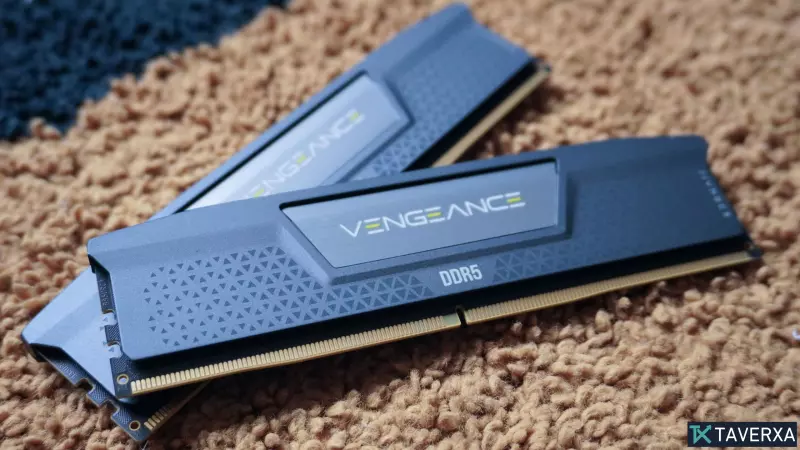
A Looming Crisis for PC Enthusiasts
The landscape for computer memory is becoming increasingly bleak. In a startling revelation, the leadership at SK Hynix has warned that 2027 is projected to be the 'worst year' for RAM prices, suggesting that the current trend of skyrocketing costs is far from over. This warning comes at a time when consumers are already reeling from an 'AI Tax' that has seen some memory components surge in price by as much as 700%.
For years, the 'big three' of the memory world—Samsung, SK Hynix, and Micron—have maintained a tight grip on the global DRAM market, controlling approximately 90% of the supply. While these companies have pointed to the insatiable demand for High-Bandwidth Memory (HBM) required for AI data centers as the primary cause for consumer shortages, a growing number of critics and legal entities are beginning to question this narrative.
The AI Alibi: Market Necessity or Calculated Greed?
The official stance from memory manufacturers is that the AI revolution is a double-edged sword. They argue that because the infrastructure for AI is so resource-intensive, the shift in production toward HBM naturally dries up the supply of standard consumer RAM, leading to higher prices. This 'AI Alibi' has served as a shield against accusations of greed, framing the price hikes as an unavoidable side effect of technological progress.
However, this defense is currently being tested in a high-stakes class-action lawsuit in California. The plaintiffs allege that the big three are not merely reacting to market forces but are actively engaged in price-fixing, intentionally choking the supply to keep prices artificially inflated for maximum profit.
The Bank of America Bombshell
The defense that manufacturers are 'doing everything they can' to increase capacity may have just collapsed. A damning report from Bank of America has cast serious doubt on the promises made by South Korean officials and industry leaders regarding production growth.
While South Korean President Lee Jae-myung recently claimed that memory production capacity would double by 2030, the Bank of America analysis suggests this figure is wildly optimistic. The report highlights two critical failures in the industry's expansion plan:
- Infrastructure Lag: The advanced facilities required for next-generation memory production take upwards of a decade to fully implement, meaning relief is not immediate.
- Process Upgrades: Updating older plants to new manufacturing technologies often requires temporary shutdowns or reduced output, effectively neutralizing the gains from new builds.
The report specifically notes that SK Hynix is likely to bring only one-sixth of its planned new capacity online by 2028. For legal experts, this suggests a pattern of under-delivery and strategic stagnation, providing significant circumstantial evidence for the ongoing price-fixing lawsuit.
Consumer Backlash and a History of Collusion
The reaction from the tech community has been one of absolute cynicism. On platforms like Reddit, particularly within the r/pcmasterrace and r/technology communities, users have expressed a sense of validation, claiming they "knew they weren't crazy" for suspecting market manipulation.
This skepticism is rooted in history. In 2005, Samsung and SK Hynix pleaded guilty to a massive DRAM price-fixing operation. The current situation feels like a haunting repetition of that era, with the AI boom acting as a convenient smokescreen for similar behavior.
Looking Ahead: A Decade of High Costs?
With the SK Hynix CEO predicting that the supply crunch will persist until 2030, the 'RAMpocalypse' appears to be a long-term reality. Whether through legal intervention or genuine market correction, the road to affordable memory remains blocked by the very companies tasked with producing it. For the average gamer or professional, the cost of staying current in the AI era is becoming a luxury few can comfortably afford.