The Privacy Paradox: Why Camera-Equipped Smart Glasses Threaten the Future of Wearable Displays
Explore the tension between camera-equipped smart glasses and display-first AR eyewear, and how privacy concerns are shaping the future of wearable tech.
The Rise of the 'Always-Watching' Eyewear
In recent years, the tech landscape has shifted toward an inevitable integration of artificial intelligence and wearable hardware. With the commercial success of Meta’s Ray-Ban smart glasses and the imminent arrival of Google's Intelligent Eyewear, the concept of strapping a computer to one's face has moved from science fiction to a consumer reality. However, this rapid adoption has brought a simmering tension to the surface: the conflict between utility and privacy.
The industry's current obsession with AI has fueled a race to integrate cameras into every conceivable form factor. For smart glasses, this means incorporating multiple lenses to allow AI to 'see' and interact with the world in real-time. While the functionality is impressive, it has birthed a new social stigma, with some critics labeling these devices as 'pervert glasses,' echoing the early backlash against the original Google Glass.
Display-First Glasses: A Different Kind of Tech
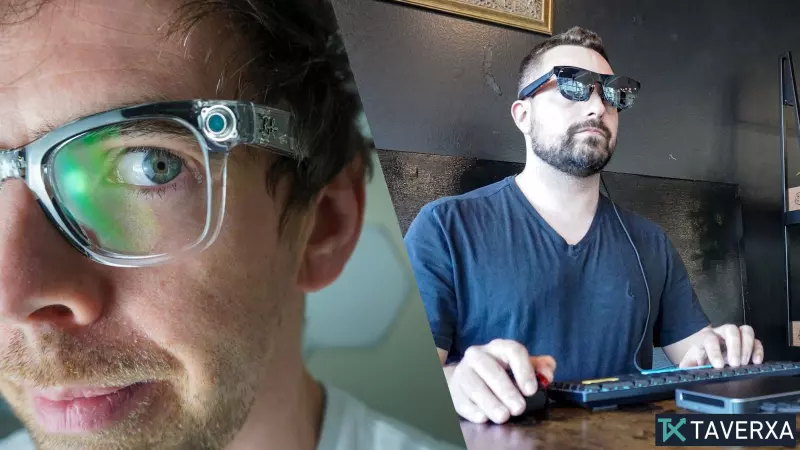
It is crucial to distinguish between camera-centric smart glasses and display-first AR/XR glasses. While the former are designed to capture the world, the latter are designed to create a private window into another one. Devices like the Xreal One and Viture Luma Pro do not record your surroundings; instead, they project a massive, high-definition display just inches from the wearer's eyes.
For power users, these wearable displays are game-changers for productivity and entertainment. By leveraging USB-C DisplayPort Alt Mode, these glasses can turn a pocket-sized mini PC (such as the Khadas Mind) or a smartphone into a full-scale portable workstation. This setup allows users to have a private, expansive screen in public spaces—from airplane trays to crowded coffee shops—without the prying eyes of neighbors peeking over a laptop screen.
The Social Cost of a Shared Label
The primary concern for enthusiasts of display glasses is the 'guilt by association' effect. Because both categories are marketed under the broad umbrella of 'smart glasses,' the general public often fails to distinguish between a device that is recording a conversation and one that is simply displaying a movie.
As backlash against camera-equipped eyewear grows, there is a significant risk that all high-tech frames will be met with suspicion. This stigma can turn a productive tool into a social liability. The author notes a stark difference in public reception: wearing display-only AR glasses often sparks curiosity and positive interviews, whereas camera-equipped versions frequently elicit side-eyes and discomfort.
Finding a Compromise: The Saving Grace of the Wire
Ironically, the lack of wireless connectivity in many top-tier AR glasses is currently their greatest asset. In an era of total wireless freedom, the visible cable connecting the glasses to a device serves as a 'trust signal.' It tells the observer that the glasses are a peripheral display, not a standalone recording device.
To enhance the experience further, features like electrochromic dimming allow users to switch between a transparent lens and a blacked-out immersive background at the touch of a button. This ensures the user remains aware of their surroundings while maintaining a high-quality viewing experience.
Looking Ahead: Beyond the Frames
While the current generation of smart glasses is in an 'adolescent' phase—marked by ethical debates and technical kinks—the future likely lies in even less intrusive forms of hardware. The eventual move toward smart contact lenses could eliminate the visual stigma of frames entirely.
Until then, the industry faces a naming crisis. Neither 'AR' (Augmented Reality) nor 'XR' (Extended Reality) accurately describes the experience of using a wearable display to escape reality for a few minutes. Whether they are called 'display glasses' or something else, the goal remains the same: balancing the magic of a big screen on the go with the fundamental human right to privacy.