The Legacy of Sheikh Hamad bin Khalifa Al Thani: The Architect of Modern Qatar
Discover the life and legacy of Sheikh Hamad bin Khalifa Al Thani, the former emir and architect of modern Qatar who transformed the nation into a global LNG and diplomatic leader.
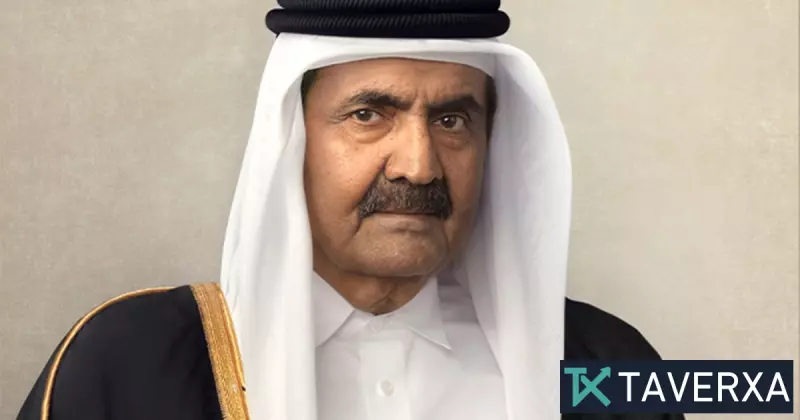
The Passing of a Visionary Leader
The State of Qatar mourns the passing of Sheikh Hamad bin Khalifa Al Thani, the former emir whose transformative leadership catapulted a small Gulf peninsula into a global powerhouse of wealth, diplomacy, and cultural influence. Sheikh Hamad passed away at the age of 74, leaving behind a legacy that redefined the geopolitical and economic landscape of the Middle East.
Assuming power in 1995, Sheikh Hamad was not merely a ruler but a strategist who recognized the potential of Qatar's natural resources to fund a comprehensive national metamorphosis. His reign was characterized by a bold blend of traditional values and forward-thinking modernization, earning him the title of the 'architect of modern Qatar.'
Economic Transformation and the LNG Revolution
Central to Sheikh Hamad's vision was the strategic exploitation of the North Field. Under his guidance, Qatar transitioned from a modest regional player to the world's leading exporter of liquefied natural gas (LNG) by 2006. This economic pivot resulted in an unprecedented surge in prosperity, with the nation's GDP increasing more than twenty-four-fold during his tenure.
The government reported that LNG production capacity reached a staggering 77 million tons per annum, providing the financial bedrock necessary to fund massive infrastructure projects, world-class healthcare, and an ambitious education agenda that aimed to prepare Qatari citizens for a post-carbon economy.
Social Reform and Cultural Renaissance
Sheikh Hamad's influence extended far beyond economics. He believed that true sovereignty required intellectual and social development. This belief materialized in the establishment of the Qatar Foundation, an institution dedicated to education and community development.
In a landmark move for regional governance, he oversaw the promulgation of Qatar’s first permanent constitution in 2004. He also championed social progress by introducing municipal elections that granted women the right to vote and stand as candidates, signaling a shift toward a more inclusive political process.
Furthermore, the 1996 launch of the Al Jazeera News Channel broke the monopoly on information in the Arab world, providing a platform for diverse viewpoints and challenging established regional narratives.
A Global Diplomatic Broker
On the international stage, Sheikh Hamad positioned Qatar as a neutral, indispensable mediator. His approach to foreign policy was characterized by "soft power," using diplomacy and financial aid to bridge divides in some of the world's most volatile conflicts.
- Regional Mediation: His administration played pivotal roles in resolving factional feuds in Lebanon and mediating between the Hamas and Fatah factions of the Palestinians.
- African Engagement: Qatar was deeply involved in efforts to stabilize the Darfur region of Sudan.
- Afghanistan: In one of his final major diplomatic initiatives, he authorized the opening of an office for the Taliban in Doha, which eventually paved the way for the United States' negotiations and withdrawal from Afghanistan in 2021.
His commitment to political change was most evident during the "Arab Spring." While other regional leaders suppressed dissent, Sheikh Hamad’s government initially supported popular uprisings. Through Al Jazeera, the world witnessed pro-democracy protests in Egypt, and Doha notably severed ties with Syrian President Bashar Al-Assad after the regime's violent crackdown on its own people.
A Rare Transition of Power
In a move that was highly unusual for the region, Sheikh Hamad opted for a voluntary and peaceful transfer of power. On June 25, 2013, he abdicated the throne in favor of his son, Sheikh Tamim bin Hamad Al Thani. At the time, the 33-year-old crown prince took over a nation that had been completely reshaped by his father's ambition.
"The future lies ahead of you, the children of this homeland, as you usher into a new era where young leadership hoists the banner," Sheikh Hamad stated during the transition, emphasizing his desire for continuity and youthful energy to lead the state forward.
Conclusion: An Enduring Influence
From securing the right to host the 2022 FIFA World Cup—the first for an Arab nation—to building a global financial hub, Sheikh Hamad bin Khalifa Al Thani's impact is visible in every skyscraper in Doha and every diplomatic cable sent from the palace. His life was a testament to the power of vision and the strategic use of resources to elevate a nation's standing on the world stage.