The Legacy of Sheikh Hamad bin Khalifa Al Thani: Architect of Modern Qatar
Explore the life and transformative 18-year rule of former Qatar Emir Sheikh Hamad bin Khalifa Al Thani, the architect who propelled Qatar to global prominence.
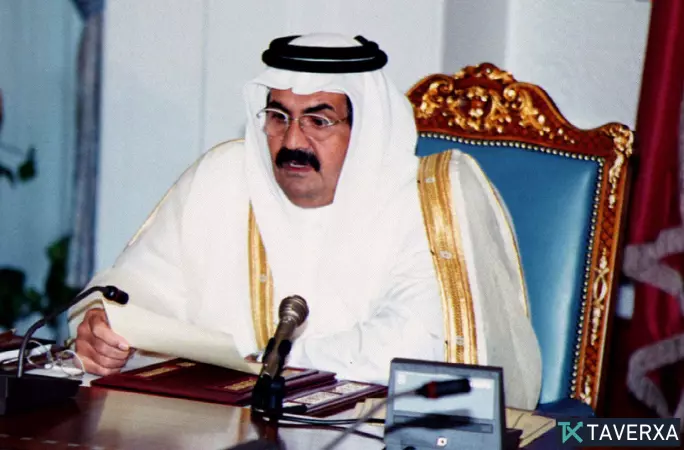
The passing of former Emir Sheikh Hamad bin Khalifa Al Thani at the age of 74 marks the end of an era that fundamentally redefined Qatar's role on the global stage. Often referred to as the 'Father Emir,' Sheikh Hamad steered the nation through a period of unprecedented transformation from 1995 to 2013, effectively turning a quiet Gulf state into a regional powerhouse.
Rise to Power and Military Roots
Born in 1952 in Doha, Sheikh Hamad’s path to leadership was paved with rigorous military training. A 1971 graduate of the British Royal Military Academy at Sandhurst, he rose through the ranks of the Qatari armed forces. His transition into political governance began in 1977 as heir apparent and defence minister, a role that saw him spearheading the nation's early strategic planning and modernization efforts.
Economic and Energy Dominance
Under his guidance, Qatar underwent an economic metamorphosis. Recognizing the immense potential of the North Field—the world's largest non-associated natural gas reservoir—he pivoted the national strategy toward aggressive Liquefied Natural Gas (LNG) development. By 2010, Qatar had emerged as the world's leading LNG exporter, a position that allowed the country's GDP to expand more than 24-fold during his tenure.
Media and Cultural Influence
Sheikh Hamad is widely credited with establishing the Al Jazeera Media Network in 1996, an initiative that shattered regional media norms and granted a global platform to underrepresented voices. Simultaneously, the launch of the Qatar Foundation spurred significant investment in education and research, anchoring the 'Qatar National Vision 2030' as a blueprint for a sustainable, knowledge-based economy.
Diplomatic Legacy and Global Profile
His foreign policy was characterized by daring mediation efforts in conflicts ranging from the Lebanese political crisis to the Darfur peace process. In 2012, his historic visit to Gaza served as a bold statement of his administration's commitment to diplomatic engagement in the Middle East. Furthermore, by securing the hosting rights for the 2022 FIFA World Cup, he solidified Qatar’s status as a hub for global sports and entertainment, leaving behind a legacy of vision, modernization, and significant geopolitical influence.