The Heavyweight Champion: Why the iPhone 18 Pro Max's Increased Weight is Actually a Win
Rumors suggest the iPhone 18 Pro Max will be the heaviest iPhone ever. Discover why the increased weight means better battery life, cooling, and performance.
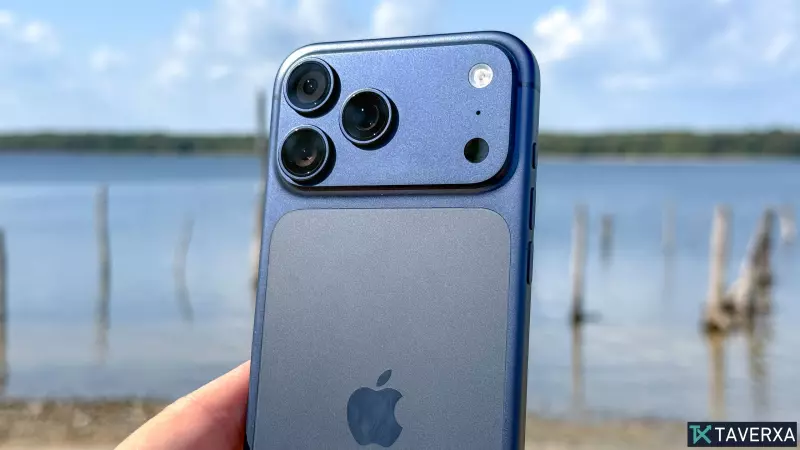
In the world of smartphone design, the trend has almost always been toward "thinner, lighter, and sleeker." However, emerging leaks suggest that Apple may be pivoting away from this philosophy with the upcoming iPhone 18 Pro Max. According to reports from industry insider Ice Universe and recent regulatory filings, the next flagship is poised to be the heaviest iPhone in the company's history.
The Numbers: A Heavier Footprint
Rumors indicate that the iPhone 18 Pro Max will measure approximately 9mm in thickness—a 0.25mm increase over the iPhone 17 Pro Max. More notably, the device is expected to weigh around 240 grams, matching the record previously held by the iPhone 14 Pro Max and exceeding the 233 grams of its predecessor. While a 7-gram increase might seem negligible on paper, it represents a deliberate shift in engineering priorities.
Comparative Weight and Dimensions
- iPhone 18 Pro Max (Rumored): 9mm | 240g
- iPhone 17 Pro Max: 8.75mm | 233g
- iPhone 16 Pro Max: 8.25mm | 227g
- iPhone 15 Pro Max: 8.25mm | 221g
- iPhone 14 Pro Max: 7.85mm | 240g
Reason 1: Massive Battery Capacity Gains
The primary driver behind the added heft is a significant boost in power. Regulatory filings suggest a massive jump in battery capacity: 5,567 mAh for the U.S. model and 5,391 mAh for the Chinese market. This represents a capacity increase of approximately 500 mAh—nearly 10% more than the iPhone 17 Pro Max.
For the average user, this translates to vastly improved endurance. While the iPhone 17 Pro Max already boasts impressive battery life, the extra juice in the 18 Pro Max, paired with the anticipated efficiency of the A20 Pro chip, could push the device toward true multi-day usage, narrowing the gap with endurance-focused competitors like OnePlus.
Reason 2: Advanced Thermal Management
Weight isn't just about batteries; it's also about heat. Leaks point toward a new vapor chamber cooling system constructed from stainless steel. While stainless steel is denser and heavier than aluminum, it is far more effective at dissipating heat.
This is a critical upgrade for "power users." Processor-intensive tasks such as 4K video editing or high-fidelity gaming often lead to thermal throttling, where the phone slows down the CPU to prevent overheating. A more robust cooling system ensures that the A20 Pro chip—likely built on a cutting-edge 2nm process—can maintain peak performance for longer durations without aggressive throttling, ultimately preserving both performance and long-term battery health.
Reason 3: Premium Build and Material Integrity
Apple has been on a journey of material experimentation, moving from heavy stainless steel to lightweight titanium and then to various aluminum alloys. The rumored return to a heavier profile suggests a refocus on structural density and perceived quality.
While some may prefer a feather-light device, there is a psychological and tactile sense of "premium'" that comes with a denser build. However, the challenge for Apple remains the balance. While the internal vapor chamber may require stainless steel for efficiency, there is hope that the rest of the chassis will remain aluminum to prevent the device from becoming overly cumbersome.
The Bottom Line: A Worthwhile Trade-off?
Apple faces a constant dilemma: balance the desire for an ergonomic, light device with the demand for a powerhouse that doesn't die by noon. By embracing a heavier design, Apple is signaling that battery life and sustained performance are now more important than a few millimeters of thickness. For those who rely on their phones for professional work and heavy gaming, the trade-off of a few extra grams for a significantly more capable machine is a bargain.