The Future of Home Cinema: Exploring Micro RGB and Mini-LED TV Technology
Discover how Micro RGB and Mini-LED TVs are revolutionizing home cinema with superior brightness, accurate colors, and no screen burn-in. Explore the best sets from Samsung, Sony, and more.
A New Era of Visual Brilliance
The landscape of home entertainment is undergoing a seismic shift. For years, consumers have been torn between the perfect blacks of OLED and the high brightness of QLED. However, a new generation of display technology—Micro RGB and RGB Mini-LED—is emerging to bridge that gap, offering a visual experience that is bigger, brighter, and bolder than ever before.
These next-generation screens are designed specifically for the modern home theater enthusiast. By reimagining how light is produced and delivered to the eye, brands like Samsung, Sony, Hisense, and TCL are unlocking levels of color vibrancy and luminance that were previously impossible in consumer-grade televisions.
Understanding the Tech: Micro RGB vs. Mini-LED
To appreciate why these TVs are a significant upgrade, one must understand the fundamental difference in how they generate images compared to traditional screens.
- Traditional QLED/LED: These typically rely on a backlight consisting of white or blue LEDs filtered through a layer of quantum dots and color filters. While effective, this process can lead to light bleed and less precise color reproduction.
- OLED: These use organic pixels that emit their own light. While they provide infinite contrast, they often struggle with peak brightness and carry the long-term risk of 'burn-in.'
- Micro RGB & RGB Mini-LED: These technologies utilize dedicated red, green, and blue (RGB) LEDs. Instead of filtering white light, they create color directly. This results in nearly perfect color accuracy and staggering brightness levels. This is particularly transformative for HDR (High Dynamic Range) content, where highlights can truly 'pop' without washing out the surrounding image.
Key Advantages Over Older Technologies
Beyond sheer color vibrancy, the move to Micro RGB and Mini-LED offers several practical benefits for the average user:
1. Superior Performance in Bright Rooms
One of the primary weaknesses of OLED is its struggle against glare and ambient light. Micro RGB and Mini-LED sets are engineered for high luminance, making them the ideal choice for living rooms with large windows or bright kitchens where a standard screen might look washed out.
2. Enhanced Wide-Angle Viewing
Whether you are hosting a large movie night or watching a high-stakes sports game, seating is rarely perfectly centered. These next-gen screens offer significantly better wide-angle viewing, ensuring that the colors and contrast remain consistent even if you are sitting far to the side.
3. Elimination of Screen Burn-In
The organic compounds in OLED panels eventually degrade, leading to permanent image retention known as burn-in. Because Micro RGB and Mini-LED use inorganic materials, this risk is virtually eliminated, extending the lifespan of the investment.
Top Contenders in the Next-Gen Market
Several industry giants are leading the charge in the deployment of these screens:
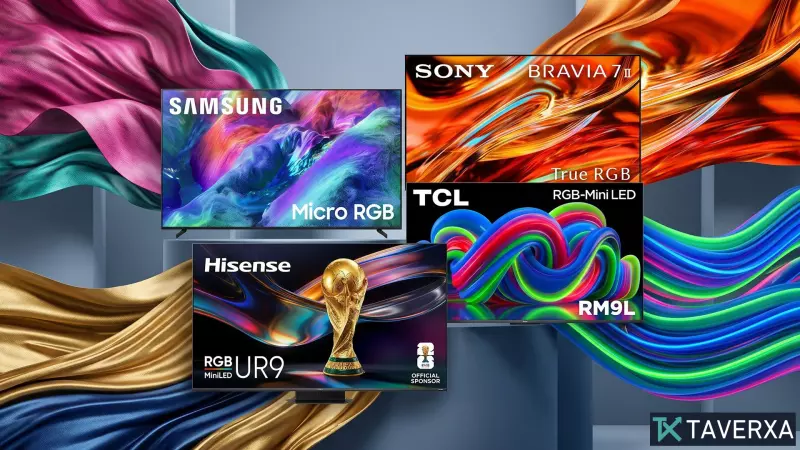
- Samsung: Continues to push the boundaries of Micro RGB, offering a range of sizes from 65 to 85 inches that integrate Vision AI and Tizen OS for a seamless smart experience.
- Sony: With the BRAVIA 7 and 9 II series, Sony is combining True RGB LED technology with their legendary processing power and anti-glare screens.
- TCL & Hisense: These brands are making massive screens accessible, offering RGB Mini-LED sets in staggering sizes—up to 116 inches—bringing a true cinema-scale experience into the home.
Final Verdict: Should You Upgrade?
While OLED and QLED remain excellent options for many, Micro RGB and Mini-LED represent the current peak of display engineering. If your priority is a screen that can combat a sun-drenched room, deliver jaw-dropping HDR highlights, and last for a decade without fear of degradation, these are the TVs to beat. For those building the ultimate home theater, the upgrade isn't just recommended—it's essential.