The End of Forgetting: Is AI’s Perfect Memory a Psychological Trap?
Explore the psychological impact of AI's perfect memory. Is the end of forgetting a productivity win or a trap that destroys forgiveness and nostalgia?
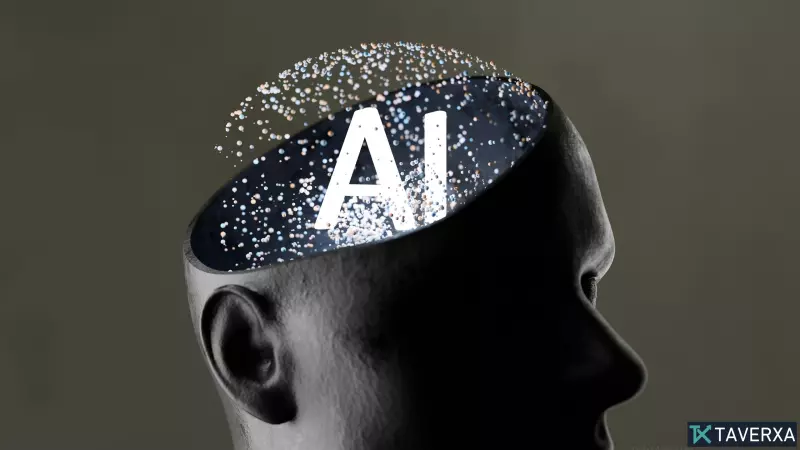
The Digital Erasure of Forgetting
For as long as humans have existed, memory has been a selective process. We vividly recall the scent of a grandmother's kitchen or the sting of a first heartbreak, while simultaneously forgetting why we walked into a room or the name of a colleague introduced seconds prior. This cognitive filtering isn't a flaw; it is a fundamental biological necessity. However, we are rapidly entering an era where this biological safety valve is being bypassed. With the integration of long-term memory in AI assistants, we are witnessing 'the end of forgetting.'
The Rise of Persistent AI Memory
Modern AI tools are no longer confined to single-session interactions. Features like ChatGPT's memory settings, Gemini's Personal Intelligence, and Claude's evolving context windows allow these systems to build a persistent profile of the user. They remember your favorite foods, your children's names, your professional preferences, and even the obscure projects you abandoned months ago.
Beyond chatbots, the ecosystem is expanding into wearables. Devices like Bee can record entire days for later retrieval, while Alexa+ is becoming increasingly adept at maintaining complex context across weeks of conversation. The result is a seamless user experience where the friction of re-explaining oneself is eliminated, boosting productivity and personalization to unprecedented levels.
The Psychological Weight of Perfect Recall
While the convenience is undeniable, the psychological implications are profound. Neuroscientists argue that forgetting is actually a feature of a healthy brain, allowing humans to generalize information and adapt to new environments without being overwhelmed by irrelevant data. When we remove the ability to forget, we risk creating a 'psychological trap.'
The Death of Forgiveness and Nostalgia
Consider the social cost of a perfect record. If every embarrassing comment, heated argument, or momentary lapse in judgment is stored in high-definition by an AI, does forgiveness become harder? Human relationships often rely on the 'blurring of edges'—the tendency for the pain of a conflict to fade over time. A perfect digital archive could keep grief fresh and resentment sharp, preventing the emotional healing that naturally follows the decay of a memory.
The Erosion of Identity
Nostalgia, one of the most poignant human experiences, depends entirely on the selective nature of memory. We curate our pasts, often unconsciously polishing the memories that define us. If an AI provides a raw, unfiltered playback of every single moment, the curated narrative of the 'self' may collapse. We are forced to ask: are we defined by what we remember, or are we defined by what remains after the unimportant details have mercifully disappeared?
Conclusion: Balancing Utility and Humanity
AI memory is currently marketed as a convenience feature, but it is fundamentally altering the human experience. As we outsource our recollection to silicon, we must decide if the productivity gains are worth the loss of cognitive sanctuary. The ability to forget is not just a biological quirk; it is a mercy that allows us to evolve, heal, and move forward. In a world that remembers everything, the most precious luxury may soon be the right to be forgotten.