The End of an Era: PlayStation Accelerates Shift Toward an All-Digital Future
PlayStation is intensifying its shift toward an all-digital future, signaling an end to physical game support. Discover the implications for players and collectors.
A Strategic Pivot Toward Digital Distribution
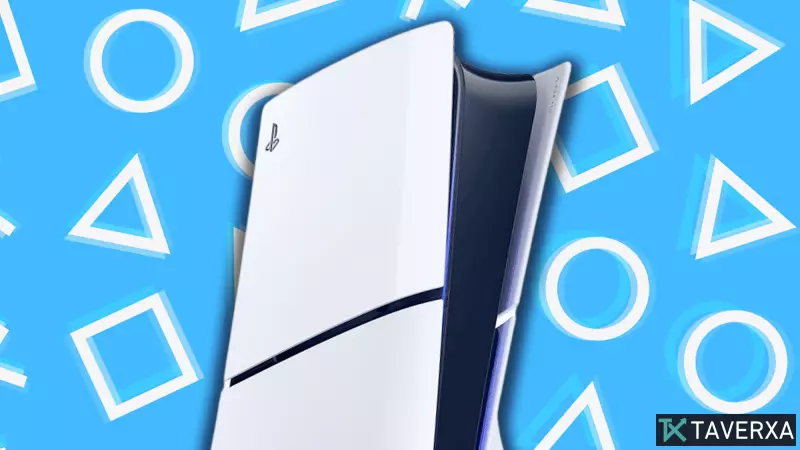
The gaming industry is witnessing a seismic shift as Sony Interactive Entertainment appears to be cementing its transition away from physical media. Recent developments surrounding PlayStation 5 console bundles and official marketing materials suggest that the company is systematically phasing out support for physical game discs. Industry analysts and dedicated fans alike have noted that the writing has been on the wall for some time, with this latest move signaling a point of no return for the platform holder.
Why Physical Games Are Fading
Several factors are driving this transition. The primary reason is the rapid rise of digital-only consumption, which offers higher profit margins for developers and publishers while providing convenience for consumers. Additionally, the increasing reliance on "day one patches" and constant connectivity requirements effectively neutralize many of the traditional benefits associated with physical ownership. For Sony, the move toward an all-digital ecosystem is a calculated effort to centralize control over software distribution and ecosystem engagement.
The Future for Collectors and Consumers
While this transition promises a more streamlined user experience and faster access to digital libraries, it raises significant concerns regarding game preservation and ownership. Unlike a physical disc, a digital license can be revoked, and access to servers for game downloads may eventually be restricted. As PlayStation continues to refine its hardware strategy to favor digital-first architecture, the days of the traditional disc drive appear to be numbered. Collectors are urged to prepare for a digital-native landscape, as the industry moves closer to a future where software exists solely in the cloud.