The Complex Legacy of US Senator Lindsey Graham: A Career Defined by Interventionism
A comprehensive look at the life, controversial political career, and interventionist foreign policy legacy of US Senator Lindsey Graham.
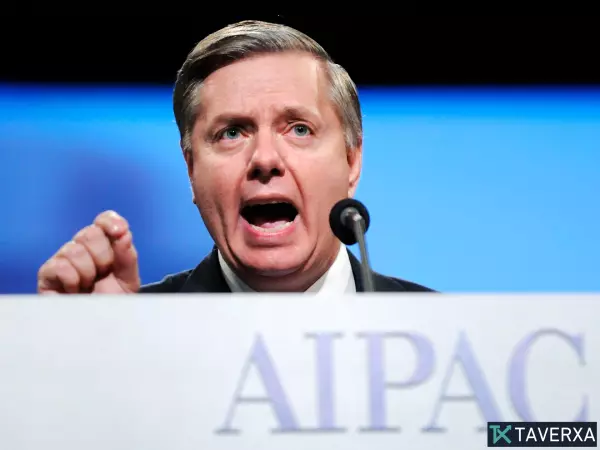
The political landscape of the United States shifted significantly this week following the death of longtime Republican Senator Lindsey Graham at the age of 71. Representing South Carolina for decades, Graham leaves behind a complicated legacy defined by his evolution from a vocal critic of Donald Trump to one of his closest ideological allies, as well as his unwavering commitment to a hawkish foreign policy agenda.
A Shift in Political Alliances
Graham’s career trajectory is perhaps best defined by his relationship with former President Donald Trump. During the 2015 Republican primary season, Graham was a sharp critic, famously labeling Trump as a 'race-baiting, xenophobic' figure. However, in a stark reversal, the two forged a powerful political bond. Graham eventually became a key confidant to the President, frequently seen golfing with him and acting as an influential advisor on international affairs. Graham attributed their partnership to mutual respect and a shared vision for military strength.
Foreign Policy and Military Interventionism
Throughout his tenure, Graham was arguably one of the most prominent advocates for aggressive US intervention abroad. His foreign policy record includes strong support for the 2003 Iraq War, as well as subsequent calls for military involvement in Libya and Syria. His rhetoric consistently prioritized regime change and the projection of American hard power as a means to achieve regional stability.
Stance on Israel and the Middle East
Graham maintained a deeply committed pro-Israel position throughout his career. He was a vocal supporter of the embassy relocation to Jerusalem and frequently advocated for robust military support for Israel, including during the recent conflict in Gaza. His rhetoric, which often included comparisons of adversaries to historical villains, drew significant controversy and polarized international observers. His interactions with Israeli leadership, including Benjamin Netanyahu, were instrumental in shaping US strategy, particularly regarding containment policies toward Iran.
The Final Years: Ukraine and Russia
In his final years, Graham became one of the most fervent supporters of military aid to Ukraine. His repeated visits to Kyiv to meet with President Volodymyr Zelenskyy and his 'best money we have ever spent' commentary on US spending in the region defined his later career. His vocal hostility toward Vladimir Putin ultimately led Russia to place the senator on a wanted list, a badge of honor that Graham famously vowed to wear with pride.
A Legacy of Polarization
Critics often pointed to Graham’s shifting stances and hawkish nature as evidence of a dangerous, interventionist philosophy. Supporters, however, viewed him as a dedicated patriot who prioritized national defense above all else. As the political world reflects on his death, Graham stands as a testament to the influence one legislator can have on both domestic party politics and global geopolitical conflicts.