The Complex Legacy of Lindsey Graham: Architect of Interventionism and Trump Stalwart
Explore the detailed legacy of the late Senator Lindsey Graham, from his staunch advocacy for Israel and military interventionism to his complex alliance with Donald Trump.
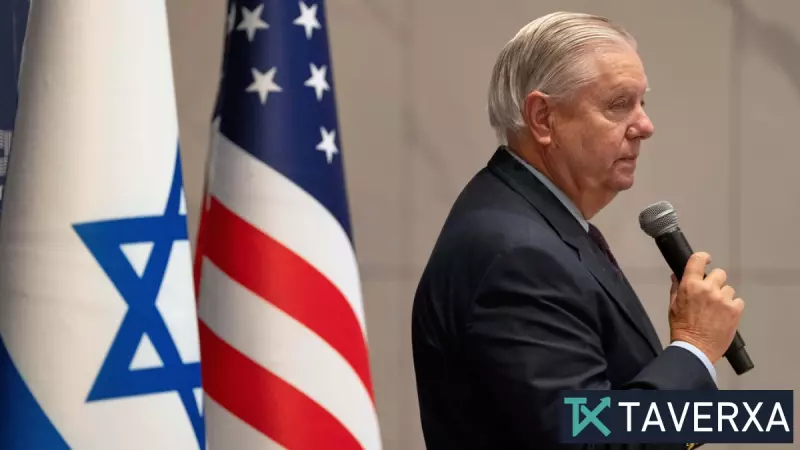
A Career Defined by Hawkishness
The passing of Senator Lindsey Graham following a "brief and sudden illness" marks the end of an era for a figure who became synonymous with American military interventionism. Over several decades in the public eye, Graham evolved from a traditional Republican legislator into one of the most polarizing figures in U.S. foreign policy, known for his unwavering advocacy for military solutions to diplomatic problems.
From the early days of the 2003 invasion of Iraq to his most recent efforts to push for conflict with Iran, Graham's career was a testament to his belief in the necessity of U.S. military dominance. Michael Hanna, U.S. programme director at the International Crisis Group, notes that Graham cultivated a reputation for pushing military interventions as the primary tool for solving foreign policy crises, effectively becoming the face of the 'hawk' wing of the Republican Party.
An Unwavering Devotion to Israel
Perhaps the most consistent pillar of Graham's political identity was his unconditional support for the state of Israel. This commitment often transcended typical diplomatic boundaries, moving into a territory of advocacy that some critics described as extreme. Graham famously campaigned for "More for Israel," securing billions in military aid and maintaining a close, symbiotic relationship with Prime Minister Benjamin Netanyahu.
Netanyahu's own reflections on Graham revealed a man so devoted to Israeli security that he would argue with the Israeli government itself to ensure they received more U.S. aid than they had requested. However, this advocacy had a darker side. Graham's rhetoric regarding Palestinians was often dehumanizing, at times comparing them to Nazis and suggesting that the use of nuclear weapons—citing the precedent of Hiroshima and Nagasaki—could be justified in the pursuit of Israeli survival.
His calls for the U.S. to "level the place" during the Gaza conflict of 2023 drew sharp condemnation from human rights advocates. Hatem Abudayyeh of the U.S. Palestinian Community Network characterized Graham as a "warmonger" whose legacy would be forever tied to the support of death and destruction in the Middle East.
The Political Metamorphosis: From Critic to Trump Ally
Few aspects of Lindsey Graham's career were as scrutinized as his relationship with Donald Trump. In 2016, Graham was a fierce critic of the then-candidate, labeling Trump a "race-baiting, xenophobic religious bigot" and declaring him "unfit for office." This stark contrast highlights the ideological shift Graham underwent as Trump consolidated power within the GOP.
The transition from adversary to loyal confidant was rapid. Graham eventually became one of Trump's most steadfast allies, often golfing with the president and acting as a key conduit for policy ideas. This rapprochement sparked outrage among Democrats and "Never Trump" conservatives, who viewed it as a surrender of principle for the sake of proximity to power. This shift was particularly poignant given Graham's close friendship with the late Senator John McCain, a man whom Trump frequently insulted.
Pushing the Brink: The War on Iran
In his final months, Graham's focus shifted heavily toward Iran. He was a primary driver behind the push for regime change in Tehran, famously encouraging Donald Trump to adopt a hardline stance. This culminated in Graham posing with a "Make Iran Great Again" hat—a satirical take on the Trump slogan that signaled a desire for a total overhaul of the Iranian government.
Analysts suggest that Graham, along with lobbyists and Israeli officials, was instrumental in convincing Trump to engage in military strikes against Iranian interests. This interventionist zeal was not lost on his peers; Representative Tim Burchett once quipped that Graham "hasn’t seen a fist fight he hasn’t wanted to turn into a bombing raid."
A Changing Guard in U.S. Foreign Policy
As Governor Henry McMaster appoints Darline Graham Nordone to fill the vacant seat, the immediate political machinery remains unchanged. However, Graham's departure signals a broader generational shift. While he was lauded by figures like Itamar Ben-Gvir and praised by colleagues for his wit, a growing segment of younger Republicans and Democrats are moving away from the interventionist doctrines Graham championed.
As noted by Tucker Carlson and other commentators, Graham represented a specific breed of politician who believed the U.S. government should prioritize the needs of foreign allies over domestic concerns. His legacy remains a complex tapestry of loyalty, military aggression, and a steadfast, often controversial, devotion to the strategic interests of Israel in the Middle East.