The Aftermath of Lindsey Graham’s Death: Impact on the Trump Agenda and US Senate
Explore the political fallout of Senator Lindsey Graham's sudden death, the impact on President Trump's legislative agenda, and the shifting power dynamics in the US Senate.
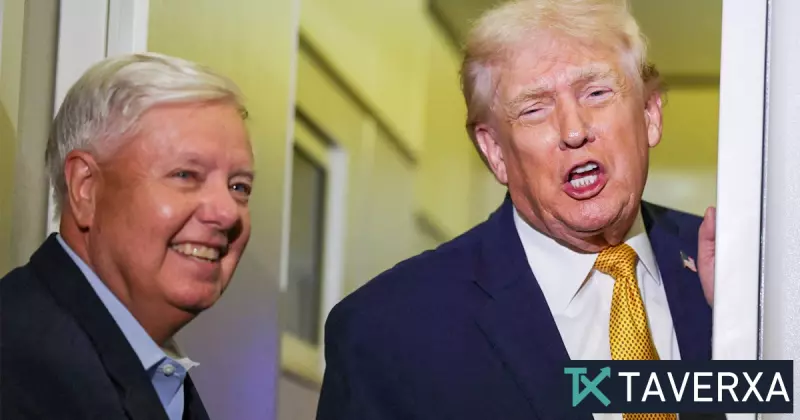
The political landscape of the United States shifted abruptly this week following the sudden passing of Senator Lindsey Graham at age 71. Known for his transformation from a staunch Trump critic to one of the former president’s most influential allies, Graham’s absence leaves a significant void in the halls of Congress as the nation approaches critical midterm elections.
A Sudden Loss and Political Ripples
Emergency services were called to Graham’s residence on Saturday following his return from a diplomatic mission to Kyiv. Medical reports later confirmed he died due to an aortic dissection. President Donald Trump, who spoke with Graham just hours before his passing, publicly mourned the loss, describing the Senator as a 'member of the family' and a political strategist without equal.
Shifting Power in the Senate
Graham’s death, coupled with the ongoing hospitalization of Senator Mitch McConnell, has reduced the Republican majority to a precarious state. With only 51 seats held by the GOP in the 100-member Senate, the party’s ability to push through key legislation—including military funding increases and the confirmation of Trump’s judicial and cabinet nominees—is now significantly hampered.
Foreign Policy and the Ukraine Question
Graham was widely considered a champion of international interventionism. His commitment to providing military aid to Ukraine and his hawkish stance on Russia often acted as a bridge between the traditional GOP establishment and the Trump administration. Foreign policy experts warn that without his influence, the Republican party may struggle to maintain its current stance on transatlantic alliances and NATO, potentially leading to a more isolationist shift.
The Search for a Successor
South Carolina Governor Henry McMaster now faces the task of appointing a temporary replacement for the remainder of the term. While a special primary is scheduled for August, speculation is mounting regarding who will take the seat. President Trump has signaled his interest in the selection process, admitting he has a candidate in mind, though he remains cautious about publicly announcing his support during this period of mourning. As the primary season approaches, the appointment will likely serve as a litmus test for the enduring influence of the Trump-aligned wing of the Republican Party.