Tensions Surge: Tehran Vows Retaliation as US Strikes Target Iranian Ports
Tehran warns of severe retaliation against regional infrastructure as US airstrikes hit key Iranian ports, escalating the ongoing conflict in the Strait of Hormuz.
Escalating Hostilities in the Gulf
The geopolitical landscape in the Middle East has reached a precarious tipping point as military hostilities between the United States and Iran intensify. Following a new wave of American airstrikes, Tehran has issued a stern warning, declaring that all regional infrastructure will be 'crushed under steel blows' should the United States continue its campaign against Iranian civilian and strategic sites.
The Scope of Recent Strikes
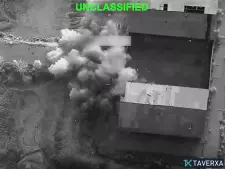
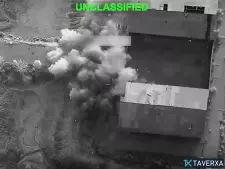
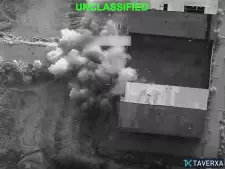
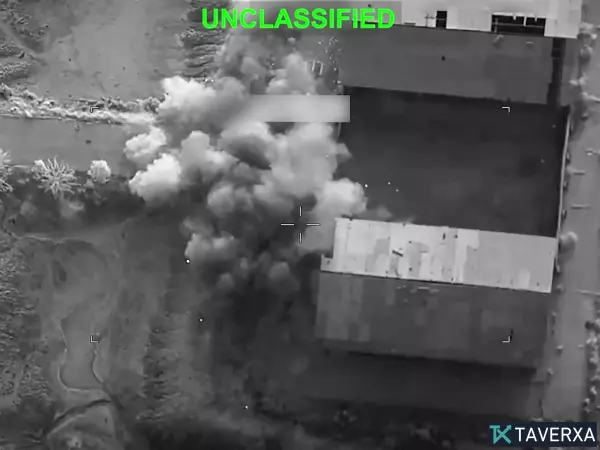
Recent military reports confirm that the US has launched targeted operations across multiple locations in Iran. Local reports and state media indicate that powerful explosions rocked Qeshm Island, Bandar Abbas, and the strategic port city of Chabahar. These strikes represent a significant escalation in the ongoing maritime and regional blockade, which has effectively stifled Iranian port activity.
The Strait of Hormuz Standoff
Central to the conflict is the fate of the Strait of Hormuz. Iranian leadership has explicitly stated that the crucial waterway will remain closed to international traffic as long as Washington persists in its current aggression. This blockade threatens to disrupt global energy markets, heightening fears of a wider economic fallout.
Existential Stakes
Tehran has officially declared the previously established peace agreements void, describing the current situation as an 'existential war.' As the US continues to enforce a strict blockade, the civilian population in Iran is increasingly bearing the brunt of the instability. Analysts warn that the rhetoric from both sides suggests a long and volatile confrontation that could reshape the security architecture of the entire region.