Tehran Signals Strategic Defiance: Strait of Hormuz Labeled 'Greatest Instrument of Power' Amid US-Iran Deadlock
Iran's top negotiator labels the Strait of Hormuz its 'greatest instrument of power' while setting strict conditions for a deal with the US, including sanctions relief and the end of hostilities in Lebanon.
The Geopolitical Gambit in the Persian Gulf
In a stark assertion of regional dominance and strategic leverage, Iran’s top negotiator, Mohammad Bagher Ghalibaf, has officially designated the Strait of Hormuz as Tehran’s “greatest instrument of power.” The statement comes at a critical juncture in the escalating tensions between Iran, the United States, and Israel, signaling that Tehran is prepared to utilize its geographic advantage to secure favorable terms in ongoing diplomatic skirmishes.
The Strait of Hormuz, a narrow waterway connecting the Persian Gulf with the Gulf of Oman, is one of the world's most strategically important chokepoints. As a primary artery for global oil shipments, any disruption in this corridor has immediate and profound implications for global energy prices and international economic stability.
Strict Preconditions for Diplomatic Progress
Despite ongoing indirect communications, Tehran has maintained a rigid stance regarding the path toward a final agreement. Ghalibaf emphasized that Iran will not engage in discussions concerning a definitive deal until specific prerequisites are met. These conditions are not merely technical but involve high-stakes geopolitical and financial concessions.
Iran’s demands include:
- Cessation of Hostilities: An immediate end to military operations and hostilities in Lebanon.
- Sanctions Relief: The comprehensive waiver of U.S. oil sanctions, allowing Iran to return to full capacity in international energy markets.
- Asset Recovery: The release of frozen Iranian funds currently held in overseas accounts.
Tehran insists that the provisions of the existing Memorandum of Understanding (MoU) must be fully implemented before any further diplomatic steps are taken, effectively placing the burden of proof on Washington to demonstrate its commitment to the deal.
The Doha Channel: Indirect Diplomacy in Action
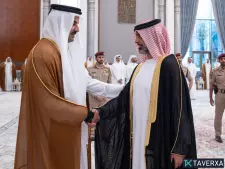
While Tehran maintains its firm public posture, the machinery of indirect diplomacy continues to churn in Qatar. Qatari Prime Minister and Foreign Minister Sheikh Mohammed bin Abdulrahman bin Jassim Al Thani has recently hosted high-level U.S. envoys, including Steve Witkoff and Jared Kushner, in Doha.
Qatar continues to serve as the primary intermediary, facilitating technical delegations and high-level meetings to bridge the gap between the two adversarial powers. These meetings focus on the intricate details of the MoU and the logistical hurdles surrounding the release of frozen assets, though a breakthrough remains elusive given Iran's unwavering conditions.
Analysis: The Risk of Escalation
By framing the Strait of Hormuz as an "instrument of power," Iran is reminding the international community that it possesses the capability to disrupt global trade if pushed into a corner. This rhetoric serves as both a deterrent against further sanctions and a bargaining chip to force the U.S. to concede on the issue of frozen funds and oil exports.
As the conflict involving Israel and various regional proxies continues to simmer, the risk of a miscalculation in the Gulf increases. The world now watches whether the diplomatic efforts in Doha can outweigh the strategic brinkmanship being played out by Tehran.