Strategic Alignment: Kim Jong Un Pledges 'Unshakeable Will' to Deepen Ties with China
North Korean leader Kim Jong Un reaffirms his 'unshakeable will' to strengthen ties with China's Xi Jinping following a historic summit and the CCP's 105th anniversary.
Strengthening the Socialist Bond
In a significant diplomatic gesture, North Korean leader Kim Jong Un has reaffirmed his commitment to deepening the strategic partnership between Pyongyang and Beijing. Through a formal congratulatory message sent to Chinese President Xi Jinping, Kim marked the 105th anniversary of the founding of the Chinese Communist Party, signaling a desire to maintain stability and cooperation between the two socialist nations.
According to reports from the state-run Korean Central News Agency (KCNA), Kim described the relationship as having "long and historical roots," emphasizing that the pursuit of stronger ties is a steadfast position of both the North Korean government and the Workers' Party. By framing the relationship as a "common wealth" for the people of both nations, Kim is underscoring the mutual dependency that defines the geopolitical landscape of Northeast Asia.
The Significance of the Pyongyang Summit
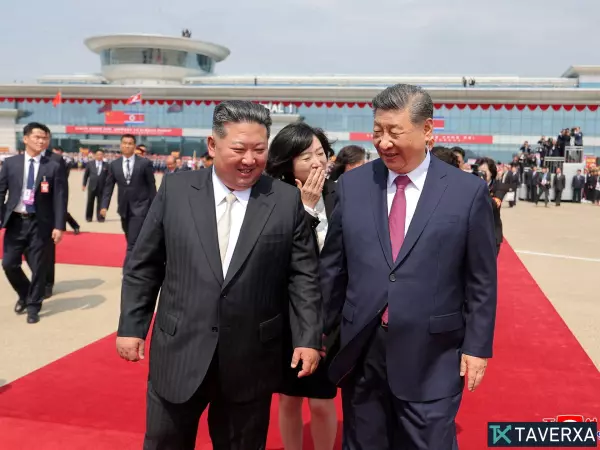
The recent congratulatory message follows a high-profile summit between Kim and Xi on June 8 and 9, 2026. This visit was particularly noteworthy as it marked President Xi's first trip to North Korea in nearly seven years, suggesting a renewed effort by Beijing to stabilize the peninsula and ensure its neighbor remains a viable buffer state.
During the summit, the two leaders reportedly established a "far-reaching blueprint" designed to elevate their bilateral ties to a more powerful and strategic level. Chinese state media indicated that President Xi pushed for enhanced cooperation across several critical sectors, including diplomacy, law enforcement, and military coordination. This move suggests that China is seeking more influence over Pyongyang's external activities while ensuring regional security.
Economic Dependency Amidst Global Shifts
Despite North Korea's recent pivot toward Russia—highlighted by a strategic defense agreement and the deployment of thousands of North Korean troops to support Russia's war efforts in Ukraine—China remains the indispensable economic lifeline for the DPRK. The economic gravity of Beijing is stark; data from South Korea’s Ministry of Economy and Finance reveals that China accounted for nearly 98 percent of North Korea’s foreign trade in 2024.
This extreme economic dependency gives Beijing significant leverage, though it also means that any instability in North Korea could have immediate repercussions for Chinese border security and regional trade.
The Ukraine Connection and POW Dilemmas
While Kim and Xi focus on their strategic alliance, the ripple effects of North Korea's military involvement in Europe are manifesting in Seoul. On Tuesday, Ukrainian Foreign Minister Andrii Sybiha visited South Korea to meet with counterpart Cho Hyun. The primary focus of their discussions was the fate of North Korean prisoners of war (POWs) captured on Ukrainian soil.
Reports from the Yonhap news agency indicate that at least two North Korean soldiers captured in 2025 have expressed a desire to defect to South Korea. This presents a complex legal and humanitarian challenge. South Korea maintains that North Korean citizens are constitutionally regarded as South Korean nationals, and the government in Seoul has stated it is prepared to accept any POWs wishing to defect. This diplomatic coordination between Kyiv and Seoul underscores the growing international scrutiny of Pyongyang's military exports to Russia.