Strait of Hormuz Tensions Surge as US-Iran Rhetoric Intensifies
Tensions in the Strait of Hormuz escalate as the US and Iran trade threats, putting global shipping at risk despite ongoing mediation efforts.
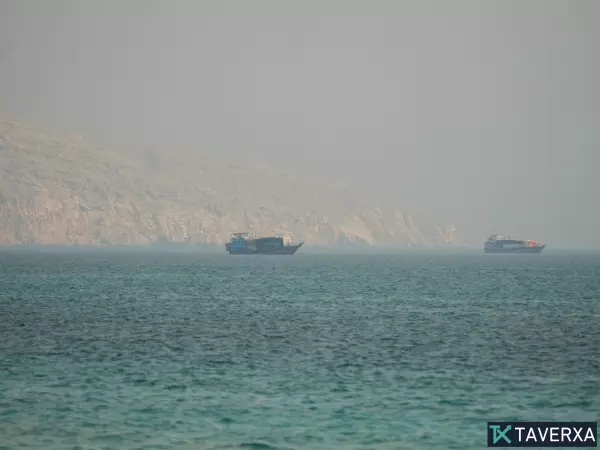
The volatile Strait of Hormuz has become the epicenter of a precarious geopolitical standoff, as the United States and Iran exchange bellicose rhetoric following a breakdown in their recent ceasefire. While both nations remain engaged in indirect talks, the threat of renewed conflict in the world's most critical maritime oil chokepoint has alarmed global markets.
A Legacy of Conflict
Following the death of Iran’s longtime supreme leader, Ayatollah Ali Khamenei, in February 2026, the political landscape in Tehran has been defined by calls for vengeance. Mojtaba Khamenei, the newly selected leader, has publicly pledged to retaliate against the 'criminal' orchestrators of the strikes that ended his father’s 36-year rule. This internal pressure is further compounded by hardline factions within Iran who openly condemn any diplomatic engagement with the United States as a betrayal of the state.
The Battle of Narratives
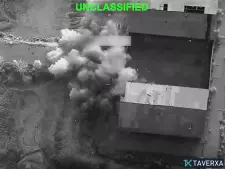
US President Donald Trump has declared the existing ceasefire 'over' while simultaneously leaving the door open for continued, albeit strained, mediation. Trump recently warned that the US military is fully prepared to strike at Iranian infrastructure, claiming that he himself remains a target on an Iranian 'kill list.' Conversely, Tehran asserts that the United States is attempting to unilaterally redraw the maritime security architecture of the Strait of Hormuz, an act Iran deems a violation of their previous memorandum of understanding.
The Maritime Flashpoint
At the heart of the dispute is the control of maritime traffic. Iran has established the 'Persian Gulf Strait Authority' to oversee passage, a move that the International Maritime Organization (IMO) and its member states have strictly rejected. Analysts from the Crisis Group suggest that while the rhetoric is intended for domestic political consumption, the underlying tension reflects a profound disagreement over who holds sovereignty in these vital waters. As the US imposes new financial sanctions on Iranian facilitators, the international community watches closely to see if diplomacy can prevent a slide into total, regional war.