Strait of Hormuz Standoff: US Imposes Naval Blockade on Iran
The US military is set to begin a naval blockade of Iranian ports on July 14, escalating tensions in the Strait of Hormuz. Explore the economic and military implications of this conflict.
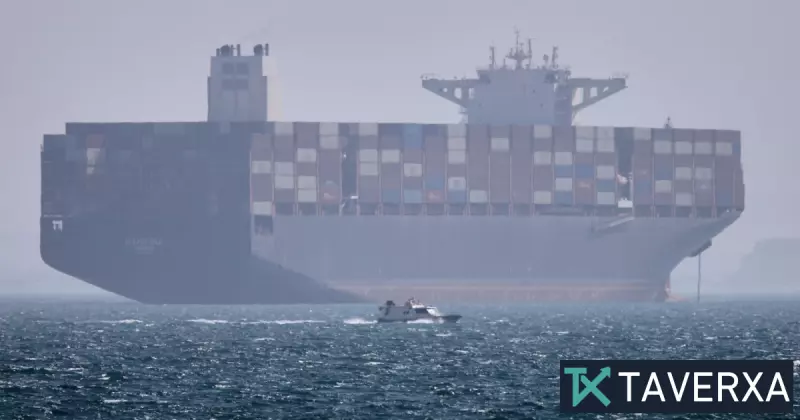
In a dramatic escalation of the ongoing conflict, the United States has officially declared that a comprehensive naval blockade of Iranian coastal cities and strategic ports will commence on Tuesday, July 14, at 20:00 GMT. This provocative measure, authorized by President Donald Trump, aims to assert American dominance over the Strait of Hormuz—the world’s most critical maritime chokepoint for global energy supplies.
Impact on Regional Stability
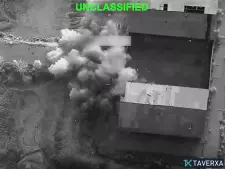
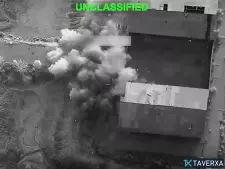
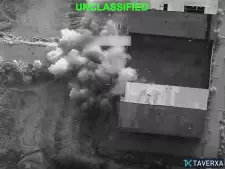
Reports from Iranian state media indicate that the military situation is deteriorating rapidly. Explosions have been confirmed in major port cities, including Bandar Abbas, Sirik, and Jask, as well as the industrial hub of Qeshm Island. These strikes underscore the intensity of the confrontation, which has seen the US and Iran trading fire in recent weeks.
The Battle for the Strait
President Trump has framed this move as a commercial and strategic imperative, claiming the US will act as the 'guardian' of the Strait of Hormuz and intends to collect tolls from passing vessels, asserting that the US will 'get paid a lot of money' for its involvement.
Conversely, the Iranian government has vehemently rejected this assertion. Iranian Foreign Minister Abbas Araghchi issued a defiant response, declaring that Iran remains the historical and legal guardian of the Strait and will continue to hold that mantle 'forever.'
Global Economic Consequences
The instability in the region has caused global oil prices to surge, as investors fear long-term disruptions to trade routes. The Strait of Hormuz serves as a vital artery for petroleum exports, and any prolonged military presence or blockade threatens to disrupt global fuel costs and economic stability, particularly across African and Asian markets. As the Tuesday deadline approaches, international observers are concerned that this maritime blockade could serve as a catalyst for a wider, uncontained regional war.