Strait of Hormuz Escalation: US and Iran Exchange Fire Amid Looming Naval Blockade
Tensions soar as the US and Iran exchange strikes near the Strait of Hormuz, prompting a global oil price surge and a looming naval blockade.
A Fragile Ceasefire Collapses
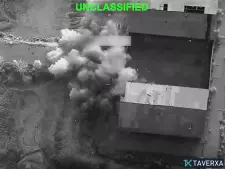
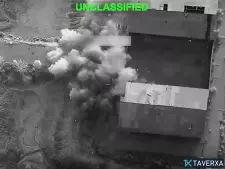
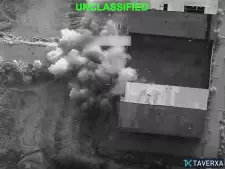
The fragile stability in the Persian Gulf has disintegrated as the United States and Iran engage in a third consecutive night of intense military strikes around the Strait of Hormuz. The renewed hostilities follow the rapid collapse of a June memorandum of understanding that had briefly curbed direct military engagement. As of Monday evening, US Central Command (CENTCOM) confirmed a series of precision strikes aimed at degrading Iranian capabilities to threaten civilian and commercial shipping, while Tehran has responded with a flurry of retaliatory strikes across the Gulf.
The Strategic Flashpoint
Control over the Strait of Hormuz—the world’s most critical maritime energy artery—has become the focal point of this conflict. With a naval blockade scheduled to take effect, tensions have reached a boiling point. The US-led Joint Maritime Information Centre (JMIC) has announced strict measures that will see the blockade of Iranian ports, with warnings that any vessel suspected of evading these restrictions faces potential boarding or destruction.
Global Economic Ripple Effects
The volatility in the Gulf has sent shockwaves through global markets, with Brent crude oil prices climbing more than 9 percent to hit $81 per barrel. Data from Kpler indicates that maritime traffic through the Strait has plummeted by over 50 percent as commercial vessels divert or deactivate tracking systems to avoid becoming collateral damage in the escalating conflict.
Military Exchanges and Casualties
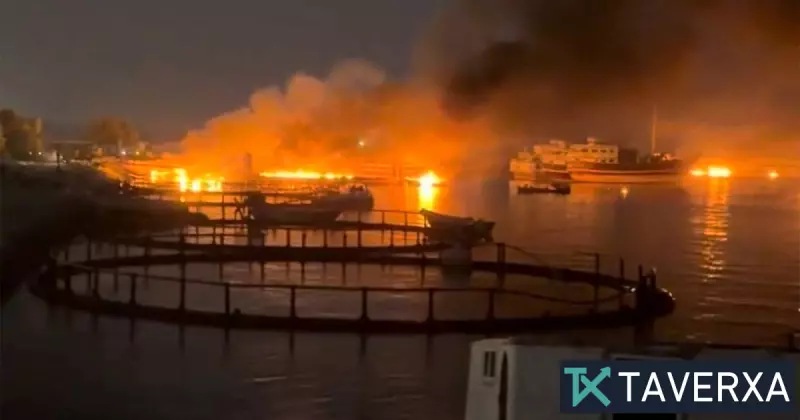
Reports from the region indicate widespread damage to infrastructure. Iranian state media noted strikes near Bandar Abbas and on various islands, while the IRGC has reportedly launched drone offensives targeting US assets in Kuwait, including communication systems and fuel storage. Tragedy struck in the waters as the UAE reported that two oil tankers were hit by Iranian cruise missiles, resulting in at least one fatality and multiple injuries among the crew.
The Diplomatic Outlook
Despite the return to open warfare, the White House maintains that a diplomatic solution remains the ultimate goal. President Donald Trump has indicated that he still believes a deal is possible, even as he demands that Gulf nations contribute financially to the costs of US maritime protection. Conversely, Iranian officials remain defiant, insisting that Tehran retains its status as the sovereign guardian of the waterway.