Strait of Hormuz Escalates: US Strikes Iran as Regional Tensions Surge
The US launches new strikes on Iranian targets following a deadly tanker attack in the Strait of Hormuz. Explore the latest updates on the escalating regional conflict.
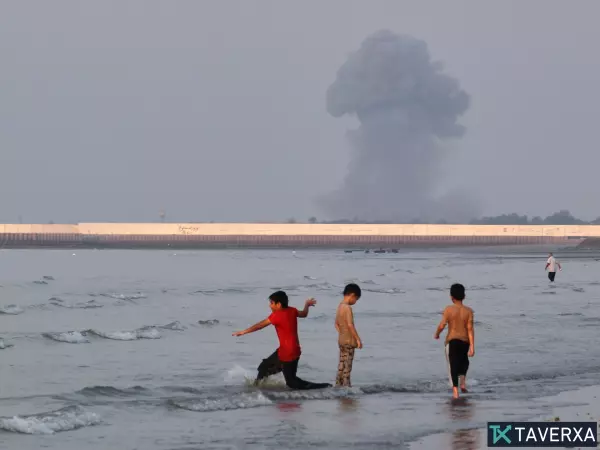
The volatile situation in the Middle East has reached a critical inflection point as the United States launched a fresh wave of military strikes against Iranian targets. The escalation follows a series of tit-for-tat attacks that have severely destabilized the Strait of Hormuz, a vital artery for global energy supplies.
Intensified Military Action
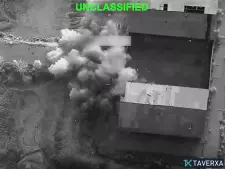
According to reports from local Iranian media, the latest US offensive targeted key infrastructure across several strategic locations. Residents and officials reported multiple explosions on Kish Island, Qeshm Island, and Jam Island, as well as in the critical port cities of Bushehr and Bandar Abbas. The strikes appear to be part of an intensified campaign aimed at neutralizing Iranian maritime capabilities.
Retaliation in the Gulf
In response to the US offensive, Tehran has escalated its posture, claiming to have successfully targeted American military installations across the Gulf, including sites in Kuwait and Bahrain. Furthermore, regional tensions were exacerbated by a lethal strike on a tanker in the region. The United Arab Emirates confirmed that at least one individual was killed during this maritime encounter, marking a tragic human cost to the ongoing hostilities. Iran characterized this action as a strike against a “hostile vessel of the American enemy.”
Global Energy Concerns
As the military conflict intensifies, international markets are closely watching the situation in the Strait of Hormuz. The combination of drone boat attacks, missile strikes, and the targeted destruction of oil tankers has created a climate of deep uncertainty for global trade. Experts warn that a prolonged conflict in this region could have catastrophic effects on oil supply chains and international energy security.
A Path to Diplomatic Stalemate
With both sides doubling down on military force, observers question the future of potential peace talks. The current cycle of violence has rendered diplomatic efforts increasingly difficult, leaving the international community to grapple with the risk of a wider, uncontrollable regional war.