Strait of Hormuz Crisis: Trump Announces US Blockade as Regional Tensions Explode
President Trump announces a US-led blockade of the Strait of Hormuz as military strikes between the US and Iran intensify across the Middle East.
A New Escalation in the Gulf
Global instability has reached a critical boiling point as US President Donald Trump announced that the United States is officially 'reinstating' a maritime blockade on Iran. The move is part of a broader, aggressive strategy to seize tactical control of the Strait of Hormuz, a vital artery for global oil transit. President Trump stated that the US intends to 'get paid a lot of money' from international shipping entities for providing security to vessels passing through the contested waterway.
Military Tensions and Retaliation
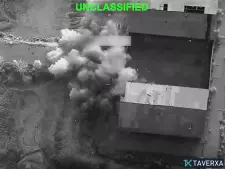
The announcement follows a night of intense military activity across the region. Iranian state media has reported massive explosions rocking key port cities, including Bandar Abbas, Sirik, and Jask, as well as significant incidents reported on Qeshm Island. These strikes, attributed to US operations, have triggered an immediate and volatile response from Tehran.
In a direct retaliatory move, Iran has launched a series of missile and drone strikes targeting infrastructure in Bahrain, Kuwait, Oman, and Jordan. Iranian officials have explicitly stated that these attacks were focused on hitting US military installations, describing them as a necessary defense against Washington’s renewed bombardment of their southern coast.
The Strategic Stakes
The closure of the Strait of Hormuz and the introduction of a 'pay-to-pass' security model represents a massive shift in international maritime law and regional geopolitics. Market analysts are already warning of a significant surge in global oil prices as the conflict threatens the world's primary energy supply route. The international community watches on with deep concern as the escalation between Washington and Tehran moves from a diplomatic standoff to an active, expanding theatre of war.