Samsung Galaxy S27 Pro and Ultra May Feature Revolutionary 'Center Stage' Selfie Cameras
Samsung is rumored to bring an iPhone-like 'Center Stage' camera upgrade to the Galaxy S27 Pro and Ultra, featuring 16MP square sensors for intelligent selfie tracking.
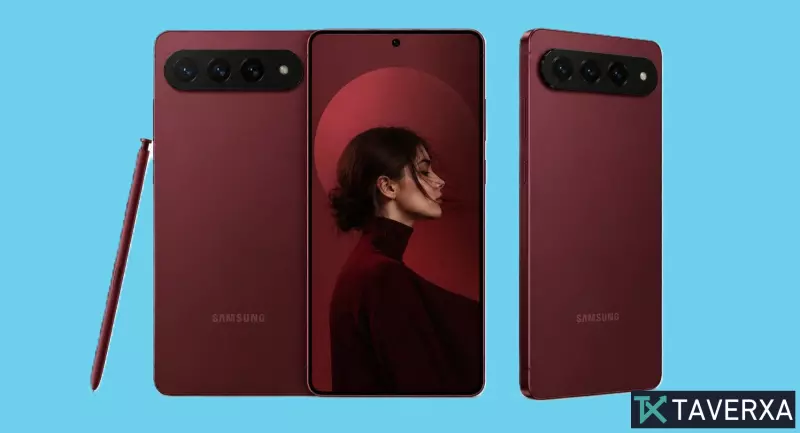
A New Era for Samsung Selfies
While the Samsung Galaxy S27 series isn't expected to hit the market until early 2027, the rumor mill is already churning with high-impact leaks. While previous reports have highlighted the possibility of larger batteries and the integration of magnetic Qi2 wireless charging—a move that brings Samsung closer to Apple's MagSafe ecosystem—the most intriguing development concerns the front-facing camera system.
According to latest reports from the Dutch tech specialist Galaxy Club, both the Samsung Galaxy S27 Pro and S27 Ultra models are tipped to receive a significant overhaul of their selfie hardware. The leak suggests a bump in resolution to 16MP, up from the 12MP sensors seen in previous generations. However, the megapixel count is the least of the story; the real game-changer is the physical shape of the sensor.
The Shift to Square Sensors: Bringing 'Center Stage' to Android
Sources indicate that Samsung is moving toward a square-shaped sensor for its front cameras. In the world of mobile photography, a square sensor provides a larger capture area that can be cropped into various aspect ratios without losing significant detail. This hardware shift strongly suggests that Samsung is developing a feature similar to Apple's Center Stage.
First introduced by Apple on the 2021 iPad Pro and later brought to the iPhone 17 series, Center Stage uses a wide-angle lens and intelligent AI to track the subject. As the person moves, the camera digitally pans and zooms in real-time to keep the subject perfectly centered in the frame. For Samsung users, this would mean a massive improvement in video calls and vlogging, as the phone would effectively 'follow' the user without requiring a tripod or a manual operator.
Why Sensor Shape Matters
The square sensor allows the device to maintain a consistent image shape whether the phone is held vertically (portrait) or horizontally (landscape). This flexibility gives the software more 'room' to pan in any direction. If a user is alone, the AI can provide a tight, flattering crop; if more people enter the frame, the camera can instantly expand the field of view to include everyone, all while maintaining the center of focus.
Comparing the Competition
When compared to the iPhone 17's 18MP sensor, Samsung's rumored 16MP sensor is slightly lower in resolution. However, in the context of front-facing cameras, the difference between 16MP and 18MP is negligible compared to the impact of the sensor's geometry and the AI-driven tracking capabilities. If Samsung successfully implements this 'Center Stage' style tracking, it could close a significant gap in the user experience between the Galaxy Ultra line and Apple's top-tier flagships.
What to Expect Before the S27 Launch
With the S27 series still several months away from its official reveal, tech enthusiasts can look to Samsung's upcoming foldable releases for clues. The Galaxy Z Fold 8, Z Fold 8 Ultra, and Z Flip 8 are expected to debut at an Unpacked event later this month. While these are different form factors, the sensor technology and AI imaging breakthroughs debuted in the foldables often serve as a precursor to the hardware found in the S-series flagships.
Between the promise of an upgraded battery, magnetic charging, and an intelligent, tracking selfie camera, the Galaxy S27 Ultra is shaping up to be one of the most substantial generational leaps in recent years.