Pure Imagination or Digital Deception? Netflix to Use AI-Generated Gene Wilder Voice for 'Wonka' Reality Show
Netflix is using AI to recreate Gene Wilder's voice for the 'Wonka's The Golden Ticket' reality show, sparking a massive debate over ethics and digital resurrection.
A Golden Ticket to Controversy
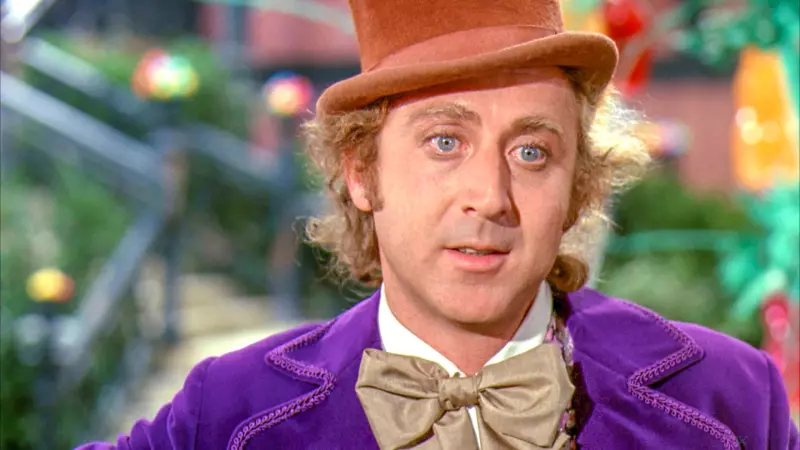
Netflix is stepping into a bold and divisive new frontier of entertainment. The streaming giant has announced an upcoming reality competition series titled 'Wonka's The Golden Ticket,' which aims to bring the whimsical world of Roald Dahl’s beloved chocolate maker to life. However, the most talked-about aspect of the show isn't the prizes or the challenges, but the voice of the narrator: a digitally resurrected Gene Wilder.
Nearly a decade after the legendary actor passed away in 2016, Netflix is using cutting-edge artificial intelligence to recreate Wilder's iconic voice. The series, produced by Eureka Productions, is scheduled to premiere on September 23. It will follow 12 "golden ticket" winners and their partners through a nine-episode gauntlet of games inspired by the 1971 classic Willy Wonka & the Chocolate Factory.
The Technology Behind the Magic
Instead of employing a traditional voice actor or impersonator, Netflix collaborated with ElevenLabs, a leader in AI audio synthesis, and the estate of Gene Wilder. By training AI models on existing recordings of Wilder's voice, the team has created a tool capable of generating entirely new dialogue.
In the show's teaser, the AI-generated Wilder is heard proclaiming that "the most extraordinary competition on Earth is about to begin." This marks a significant shift in production, as the voice is not merely spliced from old movies but is synthesized to deliver original scripts that Wilder never spoke in life.
A House Divided: The Ethics of Digital Resurrection
While the project has the official blessing of Wilder's family, it has sparked a firestorm of debate among fans and industry critics. Karen B. Wilder, the actor's widow, expressed delight that the show would introduce Gene's "magic to a new generation," noting his unique ability to blend humor, wonder, and heart.
However, not everyone is enchanted. Critics argue that using AI to speak for the dead is a breach of artistic integrity. Some fans have pointed out that Gene Wilder himself was famously skeptical of remakes—specifically the 2005 version of the Wonka story—leading many to wonder if he would have ever consented to his voice being used in a reality show.
The backlash has intensified on social media, with some users describing the process as "gross" and comparing the resulting audio to a "robotic" imitation. Some have even referenced the disastrous 2024 "Wonka Experience" in Glasgow as a cautionary tale of what happens when AI-driven hype meets poor execution.
The ElevenLabs Blueprint: A New Hollywood Model?
The Wonka project is not an isolated incident but part of a broader strategy by ElevenLabs to integrate AI voices into mainstream cinema and literature. The company has already produced AI recreations of other icons, including Judy Garland and Burt Reynolds. Recently, they released an AI-narrated version of Homer's Odyssey using a clone of Michael Caine's voice.
This suggests the emergence of a new "Licensing Model" for celebrity likenesses. Rather than unpredictable deepfakes, we are seeing a shift toward estate-approved, commercially licensed AI. This allows studios to pair legendary voices with new content at strategically timed windows, creating a middle ground between total anonymity and the fear of unrestricted AI misuse.
What This Means for the Future of Performance
As stars like Taylor Swift and Matthew McConaughey move to trademark their voices to fight AI deepfakes, the Wonka series represents a legalized alternative. It raises a fundamental question: Does the consent of an estate truly replace the consent of the performer?
Whether this becomes the industry standard for "legacy' performances or triggers a wave of new regulations, one thing is clear: the boundary between human performance and digital synthesis has been permanently blurred. As the Golden Ticket winners prepare for their challenges, the real competition is between the nostalgic allure of the past and the cold efficiency of the future.