Kyiv Under Fire as Ukraine and European Allies Launch Strategic Anti-Ballistic Missile Coalition
Russia strikes Kyiv shortly after Ukraine and nine European allies launch the Integrated Anti-Ballistic Missile Coalition and Project Freyja to counter missile threats.

Escalation in the Skies: Russia Strikes Kyiv
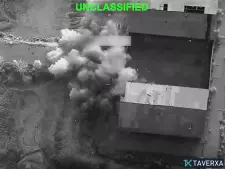
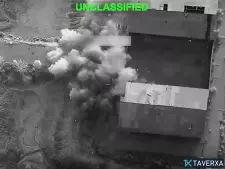
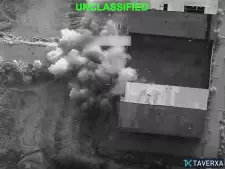
In a stark reminder of the ongoing volatility in Eastern Europe, Russian forces launched a fresh wave of ballistic missile attacks on Kyiv early Tuesday morning. The strikes, which occurred just hours after a landmark diplomatic announcement, targeted the Ukrainian capital, causing fires to erupt in the Holosiivskyi district. Kyiv Mayor Vitali Klitschko confirmed that air defense units worked tirelessly to repel the onslaught, though the attacks underscore a critical vulnerability: Ukraine's current shortage of advanced air defense systems.
This latest barrage is part of a broader escalation trend. In recent weeks, Moscow has intensified its strikes on civilian infrastructure, while Ukraine has retaliated with sophisticated drone campaigns targeting Russian oil facilities and the 'shadow fleet' of tankers used to fund the war effort. The human cost remains devastating, with reports of at least nine deaths during reciprocal salvos over the previous weekend.
The 'Coalition of the Willing' and Project Freyja
Amidst the wreckage of the latest attacks, President Volodymyr Zelenskyy has been making a strategic push in Paris. Meeting with heads of state under the banner of the 'Coalition of the Willing,' Ukraine and nine European nations—Denmark, France, Germany, Italy, the Netherlands, Norway, Spain, Sweden, and the UK—formally announced the Integrated Anti-Ballistic Missile Coalition.
The centerpiece of this initiative is Project Freyja. Recognizing that the American-made Patriot systems, while effective, are prohibitively expensive and limited in supply, the coalition aims to develop a lower-cost, European-backed alternative. Project Freyja is designed to supplement existing defenses, creating a denser, more affordable 'shield' over Ukraine and wider Europe to deter future hypersonic and ballistic threats.
President Zelenskyy emphasized that this is not about replacing current technology, but about accelerating the pace of defense. "The more means Ukraine has to shoot down Russian ballistic missiles, the greater the chance that Putin will come to the negotiating table," Zelenskyy stated, suggesting that neutralizing Russia's missile advantage is key to forcing a diplomatic resolution.
Expanding the Arsenal: French Jets and Missile Licenses
The Paris summit also yielded immediate material gains for the Ukrainian military. French President Emmanuel Macron announced a significant upgrade to Ukraine's aerial capabilities, including the order of 16 Rafale fighter jets, expected to be operational by 2028-2029. Furthermore, France has granted Ukraine a license to produce SCALP cruise missiles domestically, reducing reliance on foreign shipments and increasing the speed of replenishment.
Beyond hardware, the allies discussed the future of regional stability. Macron revealed plans for multinational military exercises in countries neighboring Ukraine. These exercises serve as a preparatory framework for a multinational force that could be deployed to ensure security once a ceasefire is eventually reached.
A Continent on Edge
As the war enters its fifth year, the conflict has evolved into a high-stakes technological race. The integration of European defense industries—combining the expertise of ten nations and a dozen private sector firms—signals a shift toward a more autonomous European security architecture. For Kyiv, the urgency is clear: as Russian ballistic missiles travel at several times the speed of sound, the window for reaction is seconds, making the success of the Integrated Anti-Ballistic Missile Coalition a matter of national survival.