Iraq’s Fragile Tightrope: Navigating the Rising US-Iran Confrontation
Iraq struggles to balance diplomatic ties with the US and its historical relationship with Iran amidst rising regional tensions and calls for militia disarmament.
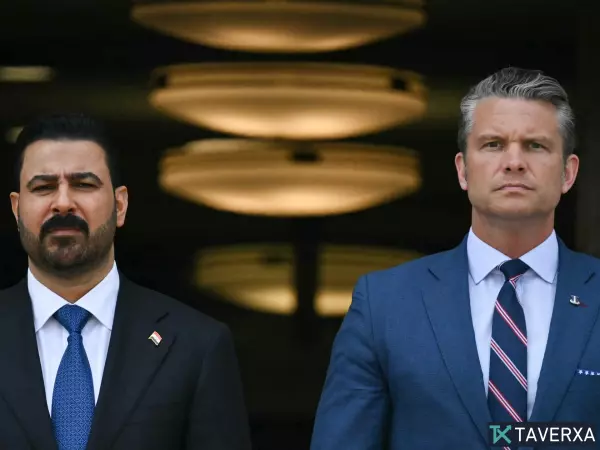
As the regional conflict between the United States and Iran intensifies, Iraq finds itself in a precarious geopolitical position. Iraqi Prime Minister Ali al-Zaidi recently visited the White House, attempting to foster closer economic ties with the Trump administration while simultaneously managing the volatile influence of Tehran-aligned factions within his own borders.
The Diplomatic Balancing Act
During his recent trip to Washington, D.C., Prime Minister al-Zaidi held high-level talks focused on securing an estimated $8 billion in IMF loans and expanding energy sector cooperation. President Donald Trump, signaling a shift in policy, publicly supported the Prime Minister, calling him a 'new champion' for Iraqi stability. However, the diplomatic overtures were shadowed by the U.S. demand that Baghdad aggressively disarm militias linked to Iran. U.S. Secretary of Defense Pete Hegseth underscored this, emphasizing that Iraq must assert its sovereignty against proxy groups that frequently target U.S. interests.
The Shadow of the Resistance
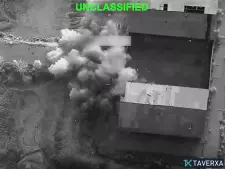
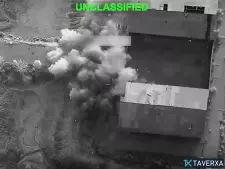
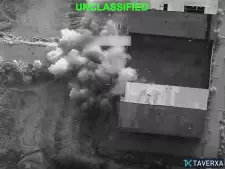
Iraq’s internal security remains tethered to the 'axis of resistance,' a network of groups including Kataib Hezbollah. These organizations have explicitly stated their readiness to engage in a direct conflict against the U.S. should the situation with Tehran deteriorate further. This creates a dual-state reality: the official Iraqi government seeks pragmatic economic diplomacy with Washington, while powerful paramilitary entities operate with their own autonomous objectives, effectively challenging the state’s monopoly on force.
Potential Consequences of Escalation
Experts warn that the ongoing escalation could have devastating implications for Iraq. The country risks becoming a theater for proxy warfare, where every exchange of fire erodes Iraq's fragile sovereignty. The economic and social fallout could include crippled foreign investment, disrupted energy infrastructure, and heightened political polarization that may ultimately destabilize the current government. As the September 30 deadline for the withdrawal of remaining U.S. forces approaches, the pressure on al-Zaidi to harmonize his nation’s security commitments with its international obligations will only intensify.