Iran Leverages Strait of Hormuz as 'Greatest Instrument of Power' Amid Stalled US Peace Talks
Iran's top negotiator labels the Strait of Hormuz its 'greatest instrument of power' as Tehran sets strict conditions for US peace talks, including sanctions relief and a ceasefire in Lebanon.
Tehran Signals Hardline Stance in Diplomatic Deadlock
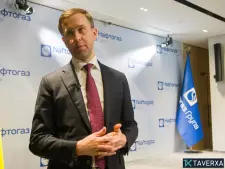
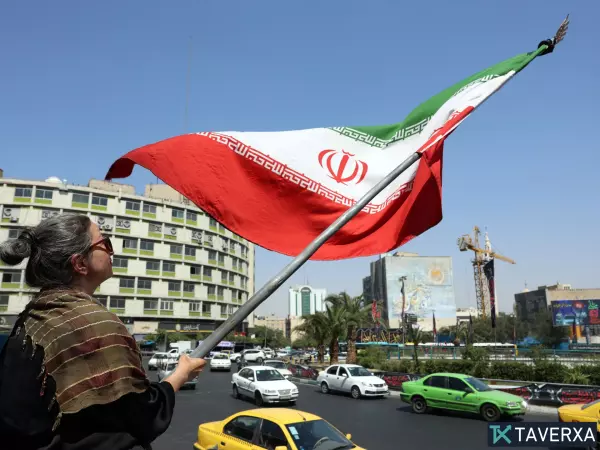
In a striking assertion of geopolitical leverage, Iran's top negotiator, Mohammad Bagher Ghalibaf, has declared the Strait of Hormuz to be Tehran's "greatest instrument of power." The statement comes at a critical juncture as the United States and Iran engage in high-stakes indirect negotiations aimed at preventing a wider regional war and establishing a sustainable ceasefire agreement.
The rhetoric suggests that Iran is prepared to utilize its strategic control over one of the world's most vital oil transit chokepoints to compel concessions from Washington. By framing the Strait of Hormuz as a primary tool of influence, Tehran is signaling to the international community that any failure to meet its demands could have immediate and severe implications for global energy security.
The Prerequisites for Peace: Iran's Non-Negotiable Terms
Despite ongoing diplomatic efforts, Tehran has maintained a rigid position regarding the commencement of talks for a final comprehensive deal. According to official statements, Iran will not enter the final stages of negotiations until several key conditions are met:
- Cessation of Hostilities: A complete end to military operations and hostilities in Lebanon.
- Sanctions Relief: The full waiver of US-imposed oil sanctions, which have crippled the Iranian economy.
- Financial Recovery: The release of frozen Iranian assets held in foreign banks.
Ghalibaf emphasized that the provisions of the existing Memorandum of Understanding (MoU) must be fully implemented before the two nations can move toward a definitive agreement. This "implementation first" approach reflects Tehran's deep mistrust of US commitments, following years of fluctuating diplomatic relations.
Qatari Mediation and US Envoys in Doha
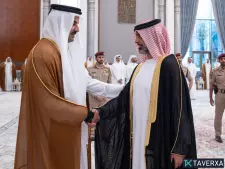
The diplomatic theater has shifted to Doha, where Qatar continues to play the role of the indispensable mediator. Qatari Prime Minister and Foreign Minister Sheikh Mohammed bin Abdulrahman bin Jassim Al Thani has recently hosted high-profile US envoys, including Steve Witkoff and Jared Kushner.
The meetings in Doha are intended to bridge the gap between the technical delegations of the US and Iran. While the US seeks a framework to contain Iranian influence and ensure regional stability, the Iranian delegation is leveraging its strategic geography and the volatility of the Levant to secure maximum economic and political gains.
Global Implications of the Hormuz Threat
The Strait of Hormuz is the world's most important oil transit chokepoint, with roughly one-fifth of the world's total oil consumption passing through it daily. Any disruption—whether through naval blockades, mine deployments, or harassment of tankers—would likely send global oil prices soaring and trigger a worldwide economic shock.
As the US-Israel-Iran conflict continues to simmer, the focus remains on whether Washington will concede to the financial demands of Tehran to ensure maritime security, or if the region is drifting toward a catastrophic escalation where the "instrument of power" is actually deployed.