Iran Escalates Maritime Tensions: Hardline Lawmakers Propose Sovereign Control Over Strait of Hormuz
Iran's hardline lawmakers propose a new bill to formalize control over the Strait of Hormuz, threatening to block US and Israeli ships amid escalating war.
Tehran Shifts Toward Total Maritime Control
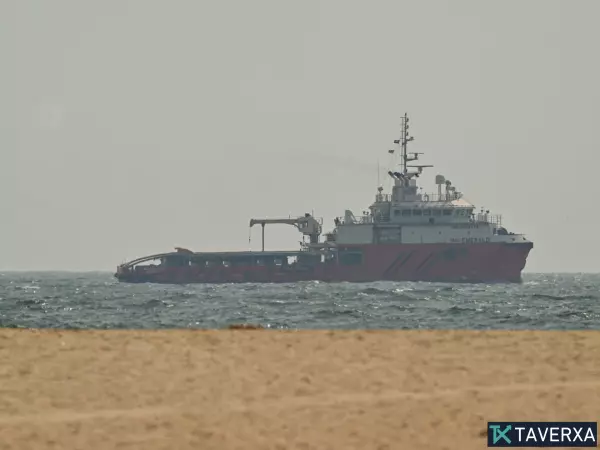
In a provocative move that signals a deepening rift with the West, Iranian lawmakers have introduced a sweeping legislative proposal aimed at formalizing absolute control over the Strait of Hormuz. The bill, titled the “Strategic Action for the Security and Sustainable Progress of the Strait of Hormuz and the Persian Gulf,” comes as the hardline-dominated parliament reconvenes following five months of intense military confrontation with the United States and Israel.
The legislative push reflects a growing sentiment within the Iranian assembly to abandon diplomatic negotiations in favor of unilateral sovereignty. During a recent unannounced session, MPs were seen waving "red flags of vengeance," symbolizing a commitment to avenge the deaths of top officials and the Supreme Leader during the initial waves of the US-led conflict that began on February 28.
A Hardline Approach to Maritime Law
While the final text of the bill has not been released to the public, earlier drafts suggest a drastic shift in how Iran intends to manage one of the world's most critical energy chokepoints. The proposed measures include:
- Strict Access Bans: The explicit barring of vessels flying US or Israeli flags from entering the strait.
- Hostile Designation: The power to block ships from nations deemed hostile to the "axis of resistance," as determined by the Iranian armed forces.
- Mandatory Permitting: A requirement for all vessels to obtain official permits, disclose full cargo manifests, and adhere strictly to the naming of the "Persian Gulf."
- Financial Penalties: The authority to confiscate up to 20% of the value of cargo from non-compliant ships, with funds diverted toward military spending and national infrastructure reconstruction.
Ebrahim Azizi, head of the national security commission, emphasized the rigidity of this stance, stating that the bill is merely the "first step" in a broader series of forthcoming measures to defend Iran's "red lines."
The "Guardian" Dispute and Global Energy Risks
The tension has devolved into a war of words regarding who serves as the legitimate "guardian" of the waterway. US President Donald Trump recently asserted that Washington would act as the new guardian, claiming the right to levy a 20% fee on vessel cargo values while promoting a US-backed southern route near Oman—a route Iran categorically rejects.
Iranian Foreign Minister Abbas Araghchi responded by mocking the US proposal, suggesting that while the US recognizes the need for fees, Iran—as the "forever guardian"—would offer a more "fair" pricing structure. Adding to the geopolitical volatility, Tehran has hinted that it could coordinate with Houthi rebels in Yemen to shut down the Bab al-Mandeb strait, further strangling global trade routes.
Military Escalation and Economic Fallout
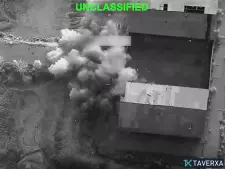
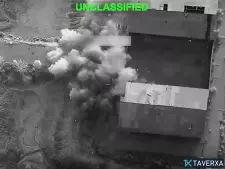
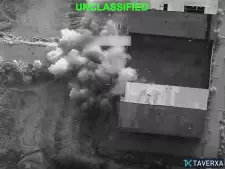
The legislative move occurs against a backdrop of severe military escalation. In the past week alone, US forces have launched hundreds of air strikes across 11 Iranian provinces, heavily targeting the port city of Bandar Abbas and strategic islands near the strait. In retaliation, the Islamic Revolutionary Guard Corps (IRGC) has targeted US assets and military logistics in Bahrain, Kuwait, and Jordan.
The impact is already being felt in the financial markets. The Iranian rial has plummeted to nearly 1.85 million against the US dollar, approaching its historic low. Meanwhile, the Tehran Stock Exchange has seen significant losses, erasing gains made from previous short-lived agreements. Despite mediation efforts by Oman, Qatar, and Pakistan to establish a framework for the freedom of navigation, the US reimposition of naval blockades and the rescinding of oil export waivers suggest that a peaceful resolution remains distant.