
Inside the Controversy: Former Bethesda Developer Reveals Why Starfield 'Isn't Great'
Former Bethesda developer Nate Purkeypile speaks out on why Starfield failed to reach its potential, criticizing its 'space patchwork' procedural generation.
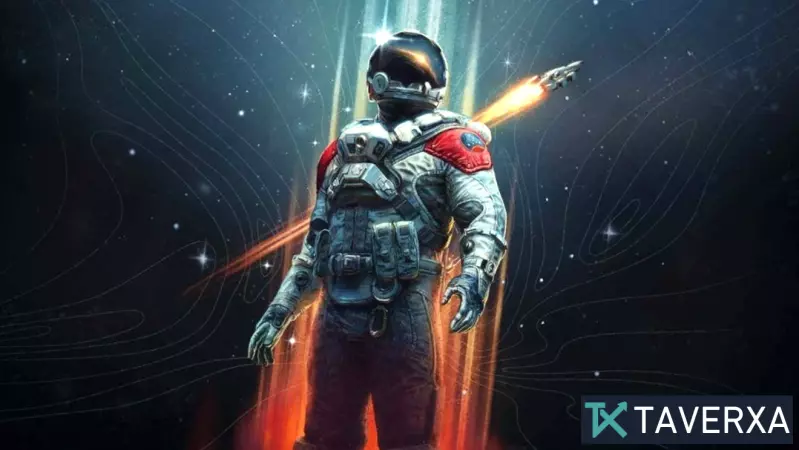
A Rare Glimpse Behind the Curtain at Bethesda
For millions of RPG enthusiasts, the release of Starfield was positioned as a generational milestone for Bethesda Game Studios. Expected to be the cosmic successor to the legendary legacies of Fallout and The Elder Scrolls, the game promised an unparalleled odyssey through the stars. However, since its launch, the title has faced a polarized reception, struggling to capture the same universal acclaim as its predecessors.
Now, the internal discourse is becoming public. Nate Purkeypile, a former environmental artist at Bethesda, has stepped forward to voice criticisms that many players have felt but few insiders have dared to articulate. In a candid appearance on the channel The Examined Game, Purkeypile offered a blunt assessment of the project: "I don't think the game is bad, but I don't think it's great."
The Problem with 'Space Patchworks'
Purkeypile's primary grievance lies in the game's reliance on procedural generation. While the promise of thousands of planets was a key selling point, the developer argues that the execution fell short of a true cosmic simulation. He describes the current state of the game not as genuine procedural generation, but as "space patchworks"—the assembly of existing assets in slightly different configurations rather than the creation of truly unique content.
During his time on the project, Purkeypile believes a more curated approach would have served the experience better. "If I had been in charge of Starfield, I wouldn't have approached it this way," he stated. He suggests that a smaller handful of meticulously hand-crafted planets would have provided more depth and impact than the vast, repetitive landscapes currently in the game.
He pointed out a frustrating irony: even during the main quest line, players often encounter repetitive environments. Purkeypile noted that he had early parallels with Mass Effect 1, where procedural planets often reused the same dungeon layouts, a design choice he warned against during development.
The Missing 'Bethesda Touch'
Beyond the technical aspects of planet generation, Purkeypile argues that Starfield lacks the intrinsic magic that defines a Bethesda game. The studio is famous for its "environmental storytelling"—the idea that every object's placement has a purpose and that exploration leads to genuine, unexpected surprises.
According to the former dev, this intentionality is missing in the vastness of space. He highlighted a jarring inconsistency in the level design, noting that while the game's main city is massive and detailed, the moment a player steps outside its borders, the world feels empty and hollow. "It doesn't even hold up as a world," he remarked, suggesting that the immense time spent on the procedural planetary system came at the expense of the cohesive world-building the studio is known for.
Looking Toward 2027: Can Starfield Be Saved?
Despite these internal and external critiques, Bethesda remains committed to the franchise. The studio has designated Starfield as a "vital part of its future," signaling that the journey is far from over.
Plans are already in motion for significant updates and new content scheduled for 2027. These upcoming additions are expected to focus on the Starborn, introduce entirely new quests, and implement gameplay refinements based on player feedback. Whether these changes can bridge the gap between a "not bad" game and a "great" one remains to be seen, but the studio is clearly listening to the demands for more depth and less repetition.
