I Wore Viture Luma Ultra and Pro Neckband in Public — They Laughed, But the Joke's on Them
We put the Viture Luma Ultra and Pro Neckband to the test in public. Despite the strange looks, the superior spatial computing experience proves why the joke might be on the onlookers.

Public Perception Meets Private Tech
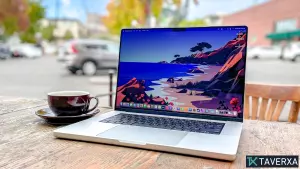
Walking into a bustling coffee shop while wearing the Viture Luma Ultra glasses paired with the Pro Neckband is an invitation for stares, smirks, and even the occasional concerned look from baristas. In social settings, looking like a ‘dweeb’ or a low-budget cyberpunk character is practically guaranteed. However, the experience of having a massive 120-inch virtual OLED screen floating over a cup of coffee while enjoying cloud gaming via Nvidia GeForce Now is a revelatory moment that makes the social friction well worth it.
The Practicality of Personal Spatial Computing
While wearing such a futuristic setup in a local pub to watch a football match might seem extreme, it serves as a rigorous, real-world stress test. The Viture ecosystem, now matured following significant software updates, offers a compelling, portable spatial experience. It is not just about the novelty; it is about the functional capability to carry an entire multimedia suite for work, gaming, and entertainment wherever you go.
Work and Play on the Move
The system excels in two main areas: productivity and entertainment. Thanks to an Android-based OS, users can access familiar applications. For productivity, the multi-screen support allows for a seamless workflow involving document management and web research, provided you have a Bluetooth keyboard. For gaming, the system supports cloud gaming services and console streaming via apps like PSPlay and XBXPlay, turning any quiet corner into a personal theater or gaming lounge.
Refining the Spatial Experience
One of the most significant advancements in the Luma Ultra is the integration of cameras for 6DoF (six degrees of freedom) tracking. While traditional 3DoF glasses limit the user to rotation, 6DoF enables movement—you can physically walk around your virtual screens, lean in, and strafe. Although it requires a learning curve, especially with hand tracking, it represents a substantial step forward for the platform. Even if the system occasionally struggles with complex environments, the inclusion of the remote app via the Pro Neckband ensures that navigation remains reliable.
Is This for Everyone?
The Viture Luma Ultra and Pro Neckband combo is an impressive piece of hardware, but it comes with a premium price tag nearing $900. It is a significant investment that competes with standalone VR hardware like the Meta Quest 3S. Ultimately, this device is not for the average user, but for those who value extreme portability and the unique ability to create a massive private display in any environment, it represents a glimpse into a very functional, if slightly awkward, future.