HDMI 2.2 is Coming: What the Next Generation of AV Connectivity Means for Your Home Cinema
HDMI 2.2 is on the horizon. Learn what the new 96 Gbps bandwidth standard means for your TV, gaming consoles, and home cinema setup.
As display technology continues to push boundaries, the backbone of your home entertainment system is set for another major evolution. The HDMI Licensing Administrator has announced that the next generation of video connectivity, HDMI 2.2, is officially in the pipeline, with certified products expected to hit the market as early as next year. For AV enthusiasts and casual viewers alike, this update promises to reshape the way we think about bandwidth and device integration.
Understanding the Leap to HDMI 2.2
At its core, HDMI specifications are defined by bandwidth—the amount of data that can be funneled from a source device (like a console or media player) to your television. While HDMI 2.1 introduced a massive leap in capability, including 4K at 120Hz and improved refresh rates, HDMI 2.2 aims to double down on these capacities. Unlike its predecessors, which were relatively straightforward in their capabilities, HDMI 2.2 introduces a tiered bandwidth structure. Devices will be certified for one of three performance tiers: 64, 80, or 96 Gbps. This modular approach is designed to cater to various device needs, though it creates a new necessity for consumers to check specific device capabilities before purchasing.
Key Benefits and Features
Why should you care about this new specification? For starters, the high-tier 80 and 96 Gbps capabilities unlock support for uncompressed 4K video at a stunning 240Hz, or 4K/480Hz with chroma subsampling. Perhaps even more impressive is its native support for uncompressed 8K/60Hz signals, paving the way for a future where 8K content becomes the standard. Additionally, the standard introduces the Latency Indication Protocol (LIP), an essential feature for maintaining perfect audio-video synchronization, which is often a point of frustration in complex home theater setups.
Do You Need New Cables?
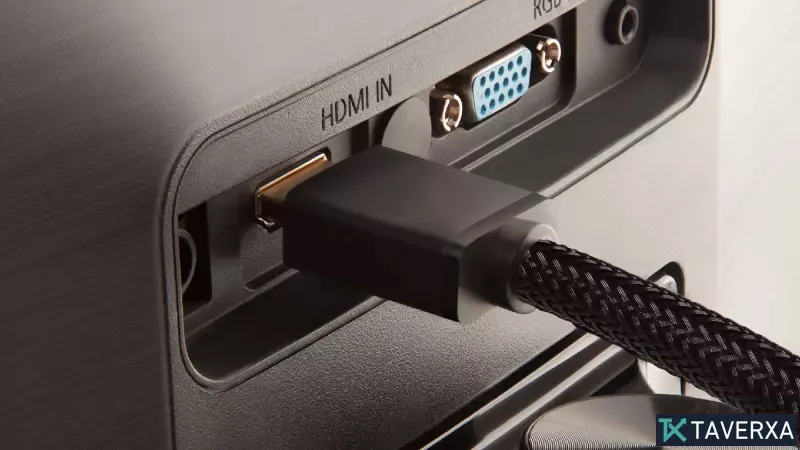
Yes, the leap to 96 Gbps will necessitate a new standard of cabling. These cables are being branded under the 'Ultra96' label, ensuring they are built to handle the highest bandwidth demands. It is important to note that while all Ultra96 cables can handle the full 96 Gbps, the port on your television will determine the actual performance you receive. As a result, consumers will need to pay close attention to the specific labeling on their hardware to ensure their new TV is capable of utilizing the full bandwidth potential of their cables.
Should You Upgrade Your Living Room Now?
If you are currently shopping for a TV, the short answer is no—there is no need to wait specifically for HDMI 2.2. With the standard still likely years away from widespread adoption in consumer displays, and with gaming consoles only just beginning to tap into the potential of existing HDMI 2.1 ports, your current setup remains future-proof for the near term. HDMI 2.1 remains the gold standard for most, offering ample support for modern gaming and high-resolution media. As the technology matures, expect the transition to follow the familiar path of previous updates, slowly becoming the industry standard once content and hardware ecosystems catch up to the new specifications.