Gulf Security at a Crossroads: The Growing Threat of Asymmetric Iranian Warfare
Explore the security challenges facing Gulf nations as they navigate the threat of asymmetric Iranian drone and missile attacks amidst ongoing US-Iran tensions.
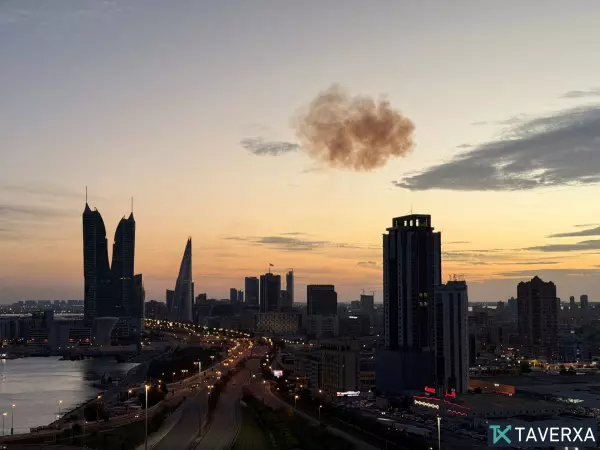
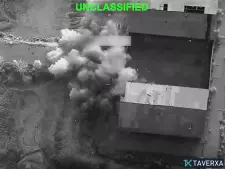
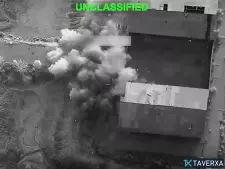
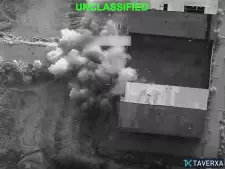
As hostilities between Washington and Tehran continue to fluctuate, Gulf nations face an increasingly complex security dilemma. Recent escalations have seen air defense systems activated across Bahrain, Kuwait, Oman, Qatar, the United Arab Emirates, and Jordan in response to renewed missile and drone strikes. These attacks, which Iran maintains are targeting US military assets in the region, are casting a long shadow over the stability of the Gulf Cooperation Council (GCC) states.
The US Paradox in the Gulf
The current crisis has highlighted an uncomfortable reality for regional leaders: the presence of approximately 50,000 US troops across 19 regional military facilities provides a necessary defensive umbrella, yet it simultaneously marks host nations as high-value targets for Iranian retaliation. While US-supplied systems like the Patriot PAC-3 and THAAD have successfully intercepted a high volume of incoming threats, the reliance on these advanced technologies is testing the economic and logistical endurance of the Gulf states.
The Economics of Asymmetric Warfare
A critical issue facing the region is the cost-disparity between offense and defense. Iran’s strategy increasingly relies on cheaply manufactured Shahed-style drones, which can be produced for as little as $30,000. Conversely, the high-end interceptor missiles required to neutralize these threats can cost millions of dollars each. Analysts warn that this creates a sustainable attrition strategy for Tehran, effectively stretching the military budgets and stockpiles of Gulf nations and their American partners.
Toward Regional Defense Integration
In response, the GCC is accelerating efforts toward greater security autonomy. This move includes the integration of regional radar data, shared intelligence networks, and a pivot toward diversifying defense partnerships beyond the United States. Collaborations with European manufacturers, as well as emerging security ties with nations like South Korea, reflect a strategic shift to bolster domestic defense capabilities.
Despite the recurring violence, the prevailing sentiment among experts remains that a 'no war, no peace' equilibrium is likely to persist. With global oil inventories under pressure and a regional dependency on maritime stability in the Strait of Hormuz, all parties appear to be calibrating their strikes to avoid a total collapse into a full-scale, uncontrollable conflict.