GPMI vs HDMI: Is a Superior Cable Standard Doomed to Obscurity?
A deep dive into GPMI, a new high-bandwidth cable standard, and why it faces an uphill battle to replace HDMI in the modern living room.
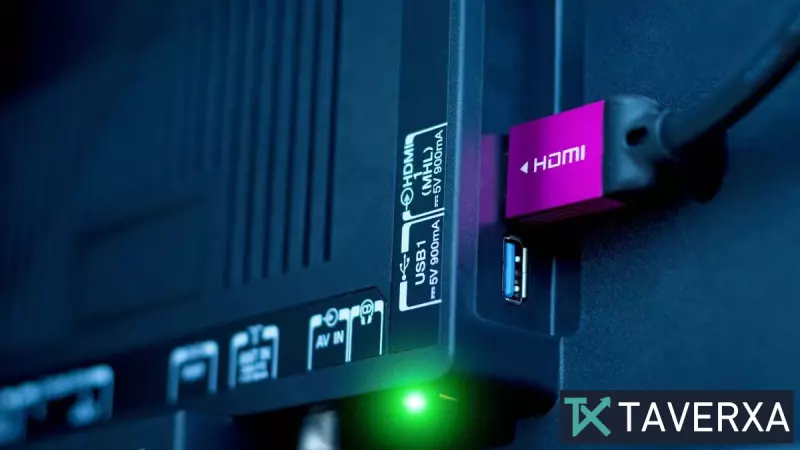
In the fast-evolving world of home entertainment, connectivity is the backbone of our viewing experience. While HDMI remains the king of living room connections—with the latest iteration, HDMI 2.2, just beginning to make waves—a new contender has emerged from an alliance of over 50 technology companies. Known as the General Purpose Media Interface (GPMI), this standard promises to outperform HDMI in both bandwidth and versatility.
What is GPMI?
Developed primarily by a coalition of Chinese tech firms, including industry titans like Hisense and TCL, GPMI is designed as a unified cable solution. Its primary goal is to merge high-bandwidth audio, video, data, and power delivery into a single, sleek connection. Unlike the traditional HDMI cables that focus almost exclusively on audio-visual transmission, GPMI aims to function similarly to Thunderbolt or USB-C, providing a streamlined experience that could theoretically replace the tangled mess of cords behind your TV stand.
The Battle of Bandwidth
At the core of the competition is data throughput. HDMI 2.2 is currently rolling out with varying tiers supporting between 64 Gbps and 96 Gbps of bandwidth. These speeds are impressive, enabling 4K content at frame rates as high as 480Hz or uncompressed 8K at 60Hz.
GPMI, however, offers two distinct types of cables. The standard USB-C version matches the top-end HDMI 2.2 speeds of 96 Gbps while adding 240 watts of power delivery. The proprietary Type-B GPMI cable pushes even further, reaching a massive 192 Gbps and a total power delivery of 480 watts. For power users and those managing high-performance home theater setups, the technical ceiling of GPMI is significantly higher than that of HDMI.
Why HDMI Isn't Going Anywhere
Despite its technical superiority, GPMI faces an uphill battle for mass adoption. The television market is dominated by global brands like LG, Samsung, and Sony—all of whom are conspicuously absent from the GPMI coalition.
- Established Ecosystem: HDMI is deeply entrenched. From gaming consoles to set-top boxes, the entire ecosystem is built around the HDMI standard.
- Market Fragmentation: For GPMI to succeed, it requires a massive, coordinated push from content creators, hardware manufacturers, and peripheral developers. Without the backing of the world's largest consumer electronics companies, GPMI risks remaining a niche solution.
- Early Adoption: HDMI 2.2 is already reaching the market. As consumers begin upgrading their displays to support this new standard, the momentum behind the existing HDMI framework will only solidify.
Ultimately, while GPMI represents a more efficient and powerful future for cable connectivity, it serves as a reminder that the best technology doesn't always win—the technology that captures the industry standard usually does. Unless there is a seismic shift in manufacturing alliances, our living rooms are destined to remain in the age of HDMI.