Global Oil Markets Shaken as US and Iran Escalate Conflict Over Strait of Hormuz
Oil prices jump as US and Iran trade military strikes over control of the Strait of Hormuz, threatening global shipping and destabilizing Asian markets.
Geopolitical Tension Ignites Energy Markets
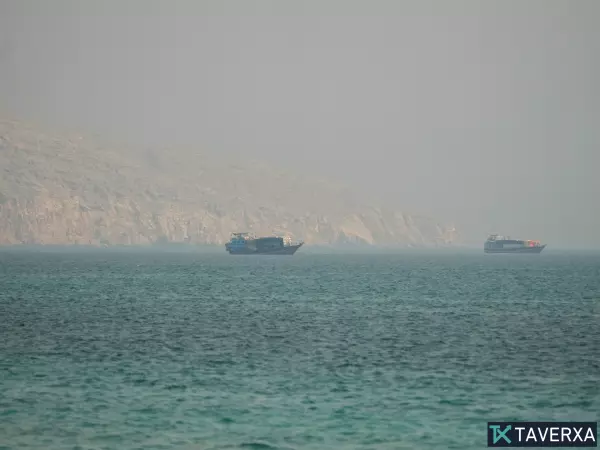
Global oil prices have surged following a violent escalation of hostilities between the United States and Iran. The primary flashpoint remains the Strait of Hormuz, a narrow yet critical waterway that serves as the world's most important oil transit chokepoint. Brent crude, the international benchmark for oil pricing, climbed more than 4 percent on Monday, reflecting investor anxiety over the potential for a prolonged disruption of energy supplies.
As of 03:00 GMT, Brent futures for September delivery reached $79.17 per barrel, marking the highest price point since late June. This sudden spike comes as both Washington and Tehran trade military strikes, effectively dismantling a fragile peace agreement established only weeks prior.
Military Escalation and the Battle for Navigation
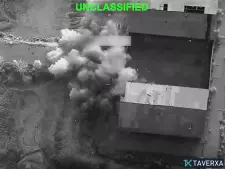
The current crisis reached a boiling point after the U.S. Central Command (CENTCOM) reported a series of aggressive maneuvers by Iranian forces. The U.S. military launched a wave of strikes aimed at "degrading" Iran's military capabilities, specifically targeting infrastructure used to threaten commercial shipping. This response followed accusations that Iranian forces "blatantly" attacked the MV GFS Galaxy, a Cyprus-flagged container ship transiting the strait.
In a stern statement, CENTCOM emphasized that the Strait of Hormuz is a vital corridor for global trade and asserted that Iran does not hold sovereign control over it. "US forces are postured and prepared to ensure that freedom of navigation remains available to commercial shipping despite Iran’s continued unwarranted aggression," the command stated.
Tehran responded with a massive retaliatory campaign, launching a barrage of missiles and drones targeting several neighboring Gulf nations, including the United Arab Emirates, Qatar, Kuwait, Oman, and Bahrain. Simultaneously, Iran’s Persian Gulf Strait Authority warned that any vessels refusing to follow "preferred routes" would lose safe passage guarantees, placing the legal and physical risk entirely on the ship owners and commanders.
A Dramatic Decline in Maritime Traffic
The impact on global trade has been immediate and severe. Data from maritime intelligence platform Windward reveals a staggering drop in vessel movement. Before the conflict erupted, roughly 130 vessels transited the strait daily—representing one-fifth of the world's total oil trade. In contrast, recent tracking shows only a handful of ships daring to cross.
Between Thursday evening and Friday morning, only six vessels were tracked crossing the strait, compared to the 18-22 daily crossings seen earlier in the month. This collapse in traffic underscores the high risk currently associated with the region, as shipping companies avoid the area to prevent seizure or attack.
Expert Analysis: Will Prices Continue to Climb?
Market analysts are divided on whether this will lead to a long-term price explosion. Mukesh Sahdev, founder of XAnalysts, suggests that Brent will likely fluctuate in the upper $70s throughout August and September. He notes that while geopolitical uncertainty causes spikes, many refiners have already shifted their procurement strategies to reduce reliance on Middle Eastern crude.
Similarly, Fabien Yip from IG noted that while the "risk premium" is currently supporting prices, a repeat of the extreme spikes seen earlier in the war is unlikely. This is due to slow global demand recovery and a broader oversupply of oil resulting from OPEC+ output quota expansions.
Global Economic Ripples
The instability in the Middle East is not only affecting oil but is also sending shockwaves through international financial markets. Major Asian stock indices plummeted on Monday in response to the news. Japan's Nikkei 225 fell over 1 percent, while South Korea's Kospi experienced a sharp plunge of more than 5 percent, highlighting the deep interconnectedness between Middle Eastern security and global economic stability.