Global Energy Crisis Looms as Iran Shuts Strait of Hormuz and Launches Massive Gulf Offensive
Iran escalates regional conflict by shutting the Strait of Hormuz and attacking five Gulf nations following intense U.S. bombing campaigns. Read the full analysis.
A Region on the Brink: Iran Escalates Conflict Across the Gulf
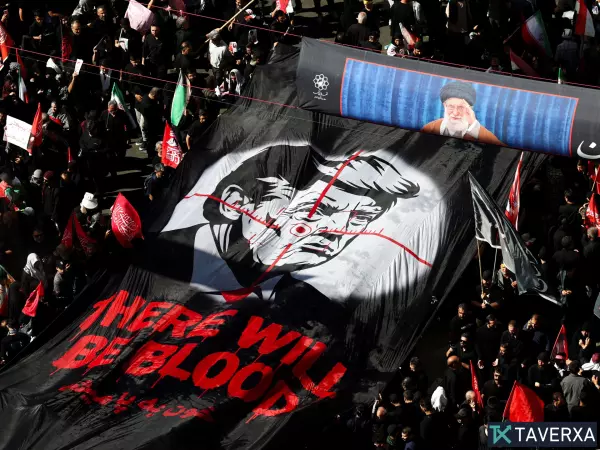
The Middle East has entered a volatile new phase of conflict as Iran launched a series of coordinated missile and drone strikes against five Gulf nations and declared the strategic Strait of Hormuz closed. This aggressive maneuver follows a devastating third wave of U.S. airstrikes within a single week, marking a total collapse of the fragile diplomatic efforts that had briefly attempted to stabilize the region.
Tehran has confirmed attacks targeting military infrastructure in Bahrain, Kuwait, Jordan, Qatar, and Oman. The Iranian leadership describes these operations as a direct response to U.S. bombings focused on cities along Iran's southern coast. This spiral of violence underscores the precarious nature of regional security and the high stakes of the current U.S.-Israel-Iran confrontation.
The Closure of the Strait of Hormuz: A Global Economic Threat
In a move that has sent shockwaves through global energy markets, the Islamic Revolutionary Guard Corps (IRGC) announced the indefinite closure of the Strait of Hormuz. This narrow waterway is the world's most critical oil transit chokepoint, facilitating approximately 20% of the global flow of energy. Iran justifies the closure by accusing the United States of violating a Memorandum of Understanding (MoU) signed just last month.
The tension peaked when Iran opened fire on commercial vessels, including a Qatari LNG tanker, asserting that ships were utilizing 'unapproved routes.' Tehran insists that only routes approved by Iran and Oman should be used, a claim rejected by the U.S. and Gulf Cooperation Council (GCC) nations, who maintain that freedom of navigation is a fundamental right under international law.
U.S. Military Response: Degrading Iranian Capabilities
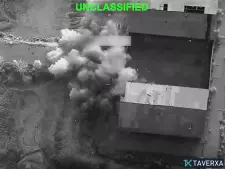
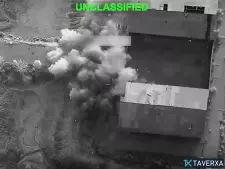
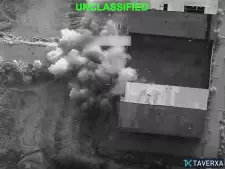
The U.S. Central Command (CENTCOM) has detailed a massive campaign intended to hold Iranian forces accountable. Over the course of three nights, the U.S. struck more than 300 targets. The third and most intense round focused on 140 military assets, including radar installations, drone launch sites, ammunition depots, and coastal surveillance networks.
The U.S. objective, according to CENTCOM, is to 'degrade Iran’s ability to attack civilian mariners.' Strikes were reported in the western Lorestan province and the southern coastal province of Bushehr, hitting cities such as Asaluyeh and Tangestan. These strikes follow the death of the late Supreme Leader Ayatollah Ali Khamenei in February, which served as a primary catalyst for the current cycle of revenge.
Detailed Breakdown of Iranian Strikes by Nation
Iran's retaliatory strikes targeted the very infrastructure that allows the U.S. to maintain a military presence in the region:
- Oman: A 'surprise' attack targeted logistics and refueling platforms at the port of Duqm, which are critical for U.S. aircraft carriers.
- Qatar: Ballistic missiles targeted the Al Udeid airbase, reportedly destroying a fighter plane maintenance center and a command-and-control hub.
- Kuwait: Explosive drones were deployed against Patriot air defense systems and U.S. military radar sites.
- Bahrain: Drone waves focused on critical U.S. communications and surveillance systems.
- Jordan: The Prince Hassan airbase was hit with ballistic missiles, specifically targeting hangars housing MQ-9 Reaper drones.
Diplomatic Failure and the Path Forward
The current crisis represents a failure of the MoU signed in June. Mohammad Bagher Ghalibaf, Iran’s parliament speaker, stated that 'the era of one-sided deals is over,' signaling a shift toward a more aggressive posture. Meanwhile, U.S. President Donald Trump has officially declared the ceasefire over, citing Iranian aggression in the Strait.
Despite the violence, narrow channels of communication remain. Iranian Foreign Minister Abbas Araghchi recently visited Oman to discuss the management of the Strait, though these talks appear secondary to the immediate military imperatives of both sides. As Gulf nations raise their security threat levels and air raid sirens sound from Doha to Manama, the world watches to see if this escalation leads to a full-scale regional war or a forced return to the negotiating table.