From March to July: The Escalating US-Iran Conflict and the Looming Regional Crisis
As the US-Iran ceasefire collapses in July 2026, we examine the shifting dynamics of the conflict, the closure of the Strait of Hormuz, and the potential for wider regional war.
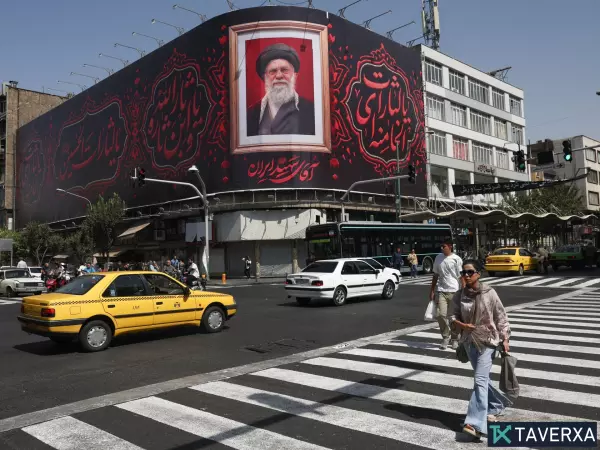
The volatile relationship between the United States and Iran has taken a precarious turn this July, as a previously established ceasefire has collapsed, thrusting the region back into a state of heightened military confrontation. With oil prices surging and the critical Strait of Hormuz effectively paralyzed, the world is watching closely to see if these tit-for-tat strikes will spiral into full-scale regional warfare.
The Collapse of the April Ceasefire
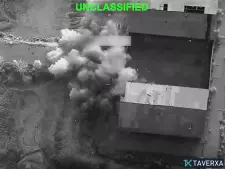
The relative calm achieved in April has officially shattered. Following a July 6 attack by the Islamic Revolutionary Guard Corps (IRGC) on three commercial vessels—including a Qatari LNG tanker—the US launched retaliatory strikes on Iranian military infrastructure. Iran’s swift response involved drone and missile assaults on multiple Gulf military bases, prompting US President Donald Trump to declare the ceasefire void.
The Strategic Chokepoint: Strait of Hormuz
A primary feature of this current escalation is the focus on the Strait of Hormuz. Tehran has moved to close the waterway, accusing the US of interference in its management and the facilitation of alternative transit routes. This move acts as a global energy 'kill switch,' triggering economic alarm across international markets.
Shifting Dynamics: How July Differs from March
Unlike the indiscriminate, large-scale air campaigns witnessed in March—which included the tragic bombing of a school in Minab and strikes on major energy hubs—the current phase of fighting appears more surgically constrained. Both sides are currently avoiding direct hits on major civilian centers, opting instead for tactical engagements focused on the Strait of Hormuz. Furthermore, Israel’s current absence from the front lines of these specific attacks highlights a significant change in the coalition dynamics compared to earlier in the year.
Diplomatic Hurdles and Future Outlook
Despite the ongoing violence, back-channel diplomacy remains active, with nations like Pakistan and Qatar attempting to mediate. However, experts note that the 'red lines' between Washington and Tehran remain unclear. While the US appears to have narrowed its strategic objectives, Iran’s regional ambitions seem to be expanding, complicating any path toward a lasting, diplomatic solution. As the conflict intensifies, the international community remains concerned about the long-term impact on global security and economic stability.