Existential War: Iran Declares Peace Deal Void Following Renewed US Strikes
Iran declares the June 17 peace deal void after fresh US airstrikes leave seven troops dead and hostilities escalate across the Middle East.
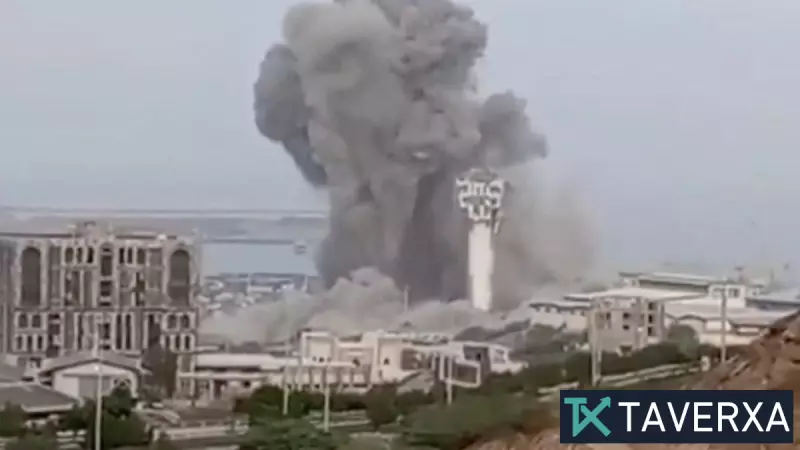
The fragile peace between Washington and Tehran has effectively collapsed as Iran officially declared its June 17 memorandum of understanding void. The announcement comes in the wake of a lethal series of US airstrikes that hit multiple Iranian locations, marking a dramatic escalation in hostilities that both sides are now characterizing as a significant conflict.
The Collapse of Diplomacy
Iran’s chief negotiator, Mohammed Bagher Ghalibaf, stated definitively that the country’s armed forces now retain “complete freedom of action” to counter what Tehran describes as unprovoked aggression. The dissolution of the peace agreement follows Wednesday’s military actions, which resulted in the deaths of seven Iranian soldiers from the 388th Brigade in Bampour. The Iranian Ministry of Foreign Affairs, through spokesperson Esmaeil Baghaei, confirmed that Tehran has abandoned its commitments, arguing that the United States had already failed to uphold its end of the bargain.
Escalating Military Fronts
Explosions were reported across key Iranian strategic locations, including Bandar Abbas, Chabahar, and Ahvaz. The United States maintains that its strikes are targeted at military infrastructure necessary to constrain Iranian regional influence. Conversely, the Islamic Revolutionary Guard Corps (IRGC) has retaliated with its own kinetic actions, claiming strikes against the US Fifth Fleet in Bahrain and logistical hubs in Kuwait. Regional instability has widened, with military forces in Kuwait and Jordan reporting the interception of multiple incoming missiles and drones.
A Precarious Future
The rhetoric from Washington remains stern, with President Donald Trump warning that US military pressure will persist until Tehran agrees to new, more stringent conditions. While Trump has avoided setting a specific deadline, the implicit threat—which includes the potential targeting of critical infrastructure like power plants—leaves little room for immediate de-escalation. Analysts suggest that the regional security architecture is fracturing, as Gulf neighbors grow increasingly wary of the fallout from the ongoing US-Iran confrontation, testing the limits of local neutrality.