Escalation in Yemen: Houthis Threaten 'Siege' on Saudi Arabia Following Sanaa Airport Attack
Houthi rebels threaten a 'siege' on Saudi Arabia and the closure of the Bab al-Mandeb Strait following a controversial attack on Sanaa International Airport.
Tensions Mount After Strategic Airfield Strike
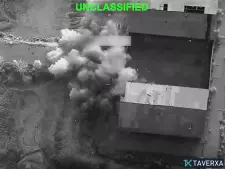
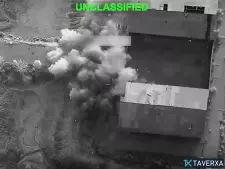
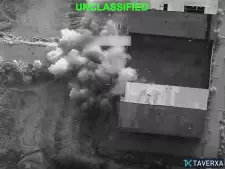
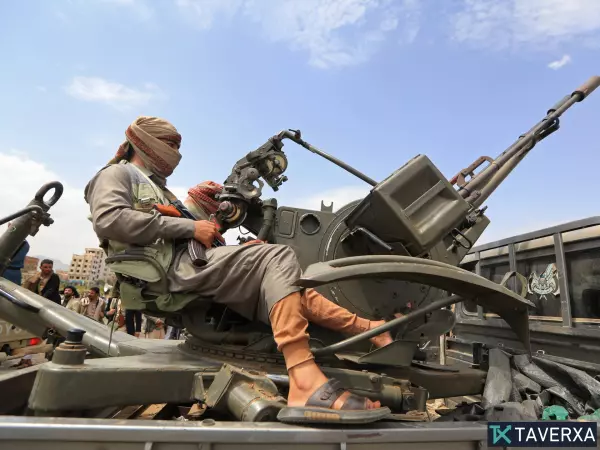
The fragile peace in Yemen is teetering on the edge of a total collapse following a targeted attack on Sanaa International Airport. The incident has sparked a fierce diplomatic and military standoff, with the Houthi movement—officially known as Ansar Allah—vowing to impose a 'siege' on Saudi Arabia in retaliation.
The conflict ignited on Monday when the runway at Sanaa Airport was targeted. While the Houthis have blamed Saudi Arabia for the strike, the internationally recognized Yemeni government has stepped forward to claim responsibility. Government officials stated the operation was a preemptive measure designed to block an Iranian aircraft from landing in the Houthi-controlled capital, alleging that the flight was a cover for the transport of military equipment and personnel linked to Iran's Islamic Revolutionary Guard Corps (IRGC).
The Houthi Response and the 'End of De-escalation'
Mohammed al-Bukhaiti, a high-ranking member of the Houthi political bureau, informed Al Jazeera that the group views the attack as an act of aggression that justifies a symmetric response. Al-Bukhaiti, who was himself traveling on the diverted Iranian flight, asserted that Yemen now possesses the right to strike Saudi airports and mirror the blockade previously imposed on Sanaa.
The rhetoric from the Houthi leadership suggests a significant shift in strategy. Spokesperson Yahya Saree explicitly declared that Monday's events mark the end of the 'de-escalation phase.' This is a critical development, as it threatens to dismantle four years of relative stability following a temporary truce. The Houthis have already initiated their retaliation, launching a salvo of ballistic missiles toward Abha International Airport in southern Saudi Arabia, though the Saudi-led coalition reports that these projectiles were successfully intercepted.
A Geopolitical Powder Keg: Iran and the Red Sea
The timing of this escalation is deeply entwined with broader regional volatility. The diverted flight was carrying a Houthi delegation returning from Tehran after attending the funeral of Iran’s late Supreme Leader, Ali Khamenei. This adds a layer of complexity to the conflict, positioning Yemen as a primary front in the ongoing tensions between Iran, the United States, and Israel.
Beyond the airspace, the most alarming threat lies in the maritime domain. Mohammed al-Bukhaiti confirmed that 'all options are on the table,' specifically referencing the Bab al-Mandeb Strait. As one of the world's most vital shipping chokepoints, any disruption here, coupled with existing instability in the Strait of Hormuz, could trigger a global economic shockwave by paralyzing energy shipments and trade.
Global Implications and the Risk of All-Out War
The international community is watching with concern as the Houthi-government clashes in Hodeidah and the battle over airport access signal a return to open warfare. The Yemeni government, speaking at the UN Security Council, maintains that Iran is utilizing these flights to provide 'know-how' and 'dual-use equipment' to the rebels, further militarizing the region.
With the Houthis pledging to keep the Sanaa-Tehran air bridge open regardless of the cost, and the Yemeni government refusing to allow IRGC-linked flights, the region faces a precarious cycle of retaliation that could either lead to a negotiated settlement or a devastating return to full-scale war.