Escalation in Yemen: Government Forces Strike Sanaa Airport Amidst Iranian Aircraft Dispute
Yemen's government strikes Sanaa airport to prevent an Iranian aircraft from landing, marking a significant escalation in tensions between Houthi rebels and the state.
A Strategic Standoff at Sanaa Airport
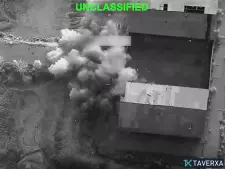
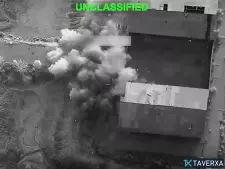
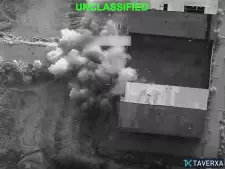
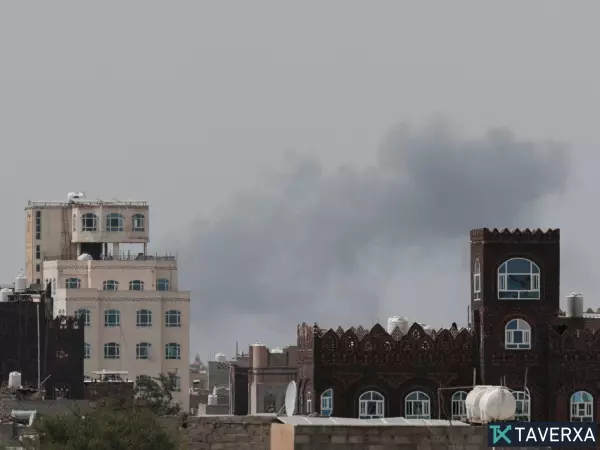
Tensions in the war-torn nation of Yemen have reached a new flashpoint as the internationally recognized government confirmed it carried out a military strike against the Sanaa International Airport. The government stated that the operation was a necessary measure to block an Iranian aircraft from landing at the facility, which remains under the control of Houthi rebels. According to official reports, the government views these unauthorized flights as a violation of Yemeni sovereignty and a direct challenge to the safety of its airspace.
The Government’s Justification
In an official statement released on Monday, the Yemeni government defended its actions, labeling the Houthi forces as a 'terrorist militia' supported by the Iranian regime. Officials argued that the strike on the airport's runway was an unavoidable response to the Houthis’ refusal to allow national aircraft to land, choosing instead to facilitate the arrival of Iranian planes. Before the strike, the Ministry of Defence had issued urgent warnings to civilians, diplomatic staff, and humanitarian organizations, urging them to evacuate the airport premises immediately.
Houthi Retaliation and Humanitarian Concerns
Following the strike, the Houthi military spokesperson, Yahya Saree, condemned the act as 'aggression' and vowed that the coalition would face consequences. The rebels also claimed that an Iranian aircraft, carrying a diplomatic delegation and medical patients, had successfully landed at a different location in Al Hudaydah on the Red Sea coast.
The situation is further complicated by allegations from the Minister of Information, Moammar bin Mutahar Al-Eryan, who claimed that Houthi forces have detained an aircraft belonging to the International Committee of the Red Cross at the airport, holding both the pilot and co-pilot against their will.
Broader Implications for Regional Stability
The ongoing conflict in Yemen, which has persisted since the 2015 intervention by a Saudi-led coalition, has been described by the United Nations as one of the most severe humanitarian crises in modern history. While a fragile, UN-backed ceasefire had largely stabilized the region, this latest flare-up suggests that the delicate peace is now at risk. With both sides posturing for further confrontation, the risk of a return to full-scale regional conflict remains high as global powers watch the situation closely.