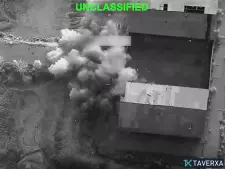
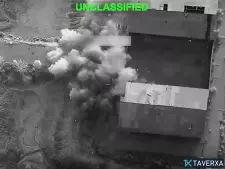
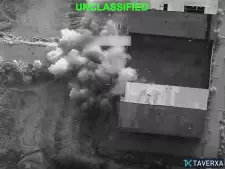
Escalation in the Strait: US and Iran Exchange Strikes as Regional Tensions Boil
Tensions skyrocket as the US and Iran trade military strikes. Learn about the latest developments in the Strait of Hormuz and the impact on regional stability.
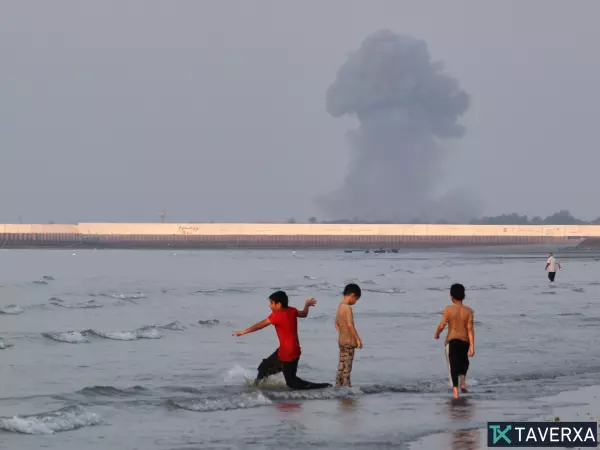
The volatile situation in the Middle East has reached a critical boiling point as the United States and Iran engage in a renewed series of direct military confrontations. Tensions, which have been simmering in the Strait of Hormuz, escalated dramatically following reports of widespread explosions across key Iranian coastal and island locations.
Strategic Strikes and Regional Impact
Iranian state media reported a wave of explosions impacting vital infrastructure, including sites on Kish Island, Qeshm Island, and the cities of Bushehr and Bandar Abbas. The US military has intensified its campaign, targeting specific Iranian defense installations. In a retaliatory display of force, Iranian authorities claimed to have launched counter-strikes against US military positions in Kuwait and Bahrain. Furthermore, regional instability has claimed civilian lives, with the UAE confirming that one individual was killed during a violent strike against a tanker vessel, signaling a dangerous expansion of the conflict into global energy corridors.
The Strait of Hormuz Standoff
The Strait of Hormuz, already a flashpoint for international maritime security, has become the primary theater for these hostilities. The conflict transitioned into a direct engagement after reports surfaced that the US utilized drone-based naval tactics—a first-of-its-kind maneuver—to intercept and strike an Iranian vessel. This technological shift in the conflict suggests a move toward more asymmetric, high-stakes warfare that risks further destabilizing global oil supplies and maritime navigation.
International Implications
As world leaders scramble to interpret the latest developments, the risk of a broader regional war remains a primary concern. The involvement of US assets in Gulf cooperation countries such as Kuwait and Bahrain complicates the diplomatic landscape, pulling regional allies deeper into the crossfire. With the situation evolving hour by hour, the global community watches closely to see if the current military posture will lead to de-escalation or a total collapse of existing security architectures.