Escalation in the Middle East: US Launches New Strikes on Iran Amidst Strait of Hormuz Crisis
US Central Command initiates new strikes against Iranian targets to protect shipping in the Strait of Hormuz as President Trump pivots on tariff policies.
Renewed Military Action in the Region
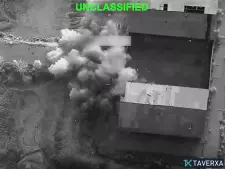
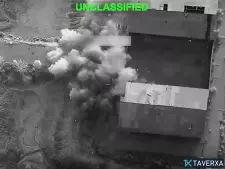
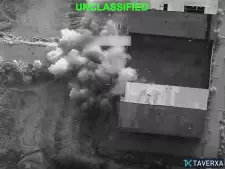
In a significant escalation of the ongoing regional conflict, US Central Command (CENTCOM) has announced the commencement of an additional round of military strikes against Iranian targets. The operation is officially described as a strategic measure to further degrade Iran’s offensive capabilities, which have been frequently deployed to disrupt and attack commercial shipping vessels navigating the critical Strait of Hormuz.
Strategic Objectives and Maritime Security
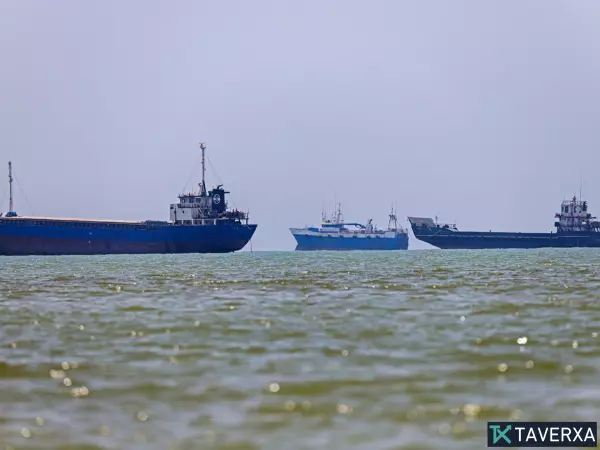
The Strait of Hormuz remains a central flashpoint in the current hostilities. By targeting Iranian assets tasked with policing and interfering with maritime traffic, the US aims to secure one of the world’s most vital oil transit corridors. This latest round of strikes follows a pattern of heightened military engagement that has left global energy markets on edge.
Policy Shifts and Economic Implications
Concurrent with the military developments, President Donald Trump has made a sudden and unexpected shift in economic policy. In a recent social media statement, the President announced a reversal of his previously proposed 20-percent tariff plan, a move that comes as international observers scramble to assess how economic pressure and military force will interact in the coming weeks. The blockade of Iranian ports continues to be a cornerstone of the US strategy, though the long-term impact on the regional economy remains a subject of intense debate among experts.
Looking Ahead: The Path to De-escalation?
While the US and Iranian leadership have engaged in past diplomatic efforts to reach an accord, the current atmosphere remains volatile. With two months of negotiations ostensibly looming, the transition between active military confrontation and a potential diplomatic resolution remains fraught with uncertainty. Global leaders continue to monitor the situation, as further disruptions at the Strait of Hormuz threaten to trigger broader instability.