Escalation in the Gulf: US to Reinstate Naval Blockade of Iran Amidst Rising Tensions
The US military announces a naval blockade of Iran starting July 14, aiming to control the Strait of Hormuz. Discover the geopolitical and economic impacts of this escalation.
US Military Announces Impending Naval Blockade
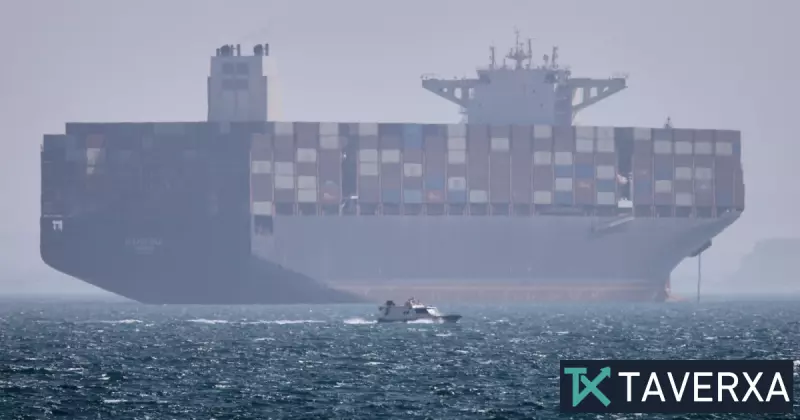
In a move that signals a dramatic escalation in regional hostilities, the United States military has announced the official reinstatement of a naval blockade targeting Iranian ports and coastal areas. The operation is scheduled to commence at 20:00 GMT on Tuesday, July 14, 2026. This strategic maneuver follows a direct mandate from President Donald Trump, who has expressed a desire to assert absolute dominance over the critical waterways of the Persian Gulf.
The blockade is not merely a military containment strategy but is tied to a broader economic objective. President Trump has stated that the United States intends to become the primary 'guardian' of the Strait of Hormuz, suggesting that the US will implement a toll system for vessels passing through the waterway, asserting that the US will "get paid a lot of money" for providing security services in the region.
Iran Defies US Claims of Guardianship
Tehran has reacted with fierce condemnation to the US announcement. Iranian Foreign Minister Abbas Araghchi countered the White House's claims, asserting that Iran remains and will remain the legitimate guardian of the Strait of Hormuz "forever." The Iranian leadership views the proposed blockade and the US attempt to monetize the waterway as a violation of international law and an act of aggression.
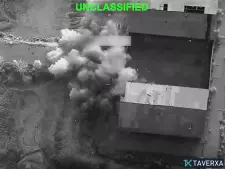
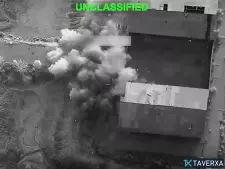
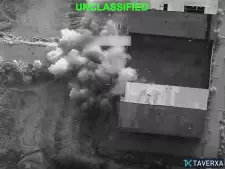
This diplomatic standoff is occurring against a backdrop of kinetic warfare. Iranian state media recently reported a series of devastating explosions in several key port cities, including Bandar Abbas, Sirik, and Jask, as well as Qeshm Island. These strikes indicate that the naval blockade is being preceded by a campaign of aerial and missile bombardment aimed at crippling Iran's maritime infrastructure.
Global Economic Implications and Energy Security
The Strait of Hormuz is widely regarded as the world's most important oil chokepoint. With a significant portion of the world's petroleum passing through this narrow passage, the threat of a US-led blockade has already sent shockwaves through global energy markets. Oil prices have surged as traders anticipate severe disruptions in supply chains.
Economists warn that if the US effectively seizes control of the Strait, the resulting instability could lead to unprecedented volatility in fuel costs, impacting trade, shipping insurance, and economic planning across Africa, Asia, and Europe. The prospect of a "toll-based" security model for one of the world's most sensitive transit points adds a layer of geopolitical unpredictability to the global economy.
A Region on the Brink
The current standoff is the culmination of intensifying friction between US-Israeli interests and the Iranian government. While peace talks were previously explored, the resumption of strikes and the implementation of a naval blockade suggest that diplomatic avenues have largely collapsed. As the July 14 deadline approaches, the international community remains on high alert for a full-scale maritime conflict that could reshape the geopolitical landscape of the Middle East.