Escalation in the Gulf: US to Implement Naval Blockade of Iran Amid Heightened Military Tensions
The US military announces a naval blockade of Iranian ports starting July 14, 2026, as tensions peak over the control of the Strait of Hormuz and global oil supplies.
The Brink of Conflict: US Naval Blockade Imminent
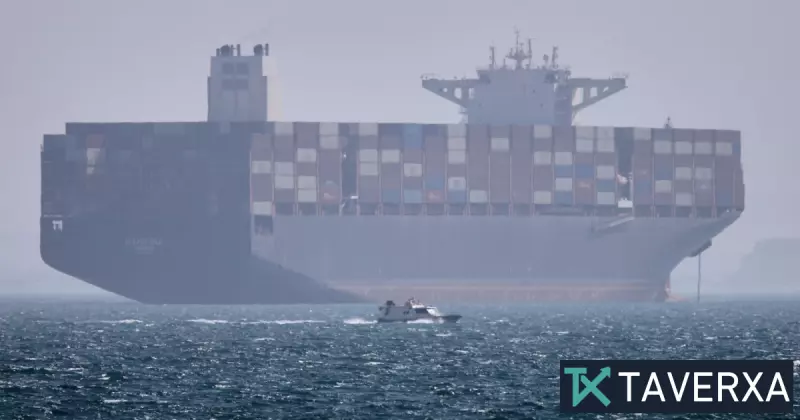
The geopolitical tension in the Middle East has reached a critical boiling point as the United States military officially announced the reinstatement of a comprehensive naval blockade targeting Iranian ports and coastal areas. The operation, mandated by President Donald Trump, is scheduled to commence at 20:00 GMT on Tuesday, July 14, 2026. This move marks a significant escalation in the ongoing confrontation between Washington and Tehran, signaling a shift from diplomatic friction to direct military enforcement in one of the world's most volatile regions.
Strategic Control of the Strait of Hormuz
At the center of this confrontation is the Strait of Hormuz, a narrow yet vital waterway that serves as the primary artery for global oil shipments. President Trump has explicitly stated his intention to seize control of the Strait, positioning the United States as the "guardian" of the waterway. In a move that has drawn international scrutiny, the U.S. administration indicated that this guardianship would include the collection of tolls, suggesting that the U.S. will "get paid a lot of money" for ensuring the security of the maritime corridor.
Iran's Defiant Response
Tehran has responded with fierce rhetoric and military readiness. Iranian Foreign Minister Abbas Araghchi countered the U.S. claims by asserting that Iran will remain the "guardian" of the Strait of Hormuz "forever." This ideological and military clash over sovereignty and control highlights the deep-seated animosity between the two nations and the likelihood of continued instability in the Persian Gulf.
Military Strikes and Port Disruptions
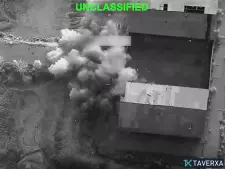
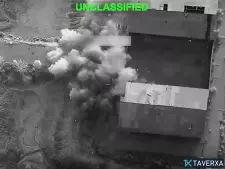
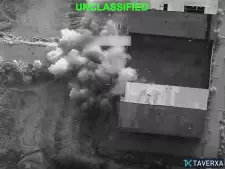
The announcement of the blockade comes amidst a wave of kinetic activity. Iranian state media has reported significant explosions and damage in several key port cities, including Bandar Abbas, Sirik, and Jask, as well as Qeshm Island. These reports suggest that the U.S. may have already begun preparatory strikes or that the region is seeing an increase in skirmishes as both sides position themselves for the Tuesday deadline.
Global Economic Implications
The prospect of a blockade in the Strait of Hormuz has sent shockwaves through global energy markets. With a significant portion of the world's crude oil passing through this chokepoint, any disruption to shipping lanes is expected to cause oil prices to surge. Analysts warn that increased fuel costs and disrupted trade routes could trigger broader economic instability across Africa, Asia, and Europe, forcing nations to rethink their energy security and economic planning.