Escalation in the Gulf: US Targets Iranian Ports as IRGC Closes Strait of Hormuz
The US launches a third round of strikes on Iranian port cities as the IRGC closes the Strait of Hormuz, triggering a massive escalation in the regional conflict.
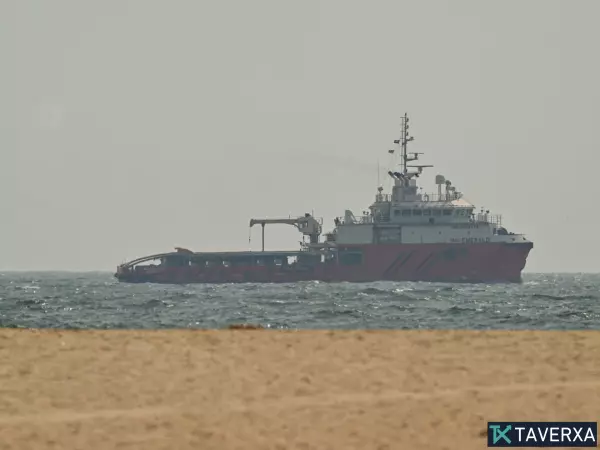
The regional conflict between the United States and Iran has reached a critical boiling point as tensions in the Persian Gulf erupt into direct military confrontation. Following a third wave of US-led airstrikes against Iranian infrastructure this week, the Islamic Revolutionary Guard Corps (IRGC) has retaliated by formally announcing the closure of the strategic Strait of Hormuz, threatening a massive disruption to global energy supplies.
Targeted Strikes on Iranian Port Cities
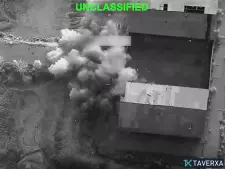
Strategic military operations initiated by the United States have struck multiple locations across the Iranian coastline. Witnesses and local authorities report intense explosions in key maritime hubs, including Bandar Abbas, Sirik, Chabahar, Bandar-e Deyr, and Asaluyeh. Washington claims these strikes are a necessary response to the alleged Iranian targeting of a Cyprus-flagged container ship within the Strait of Hormuz, asserting that international maritime security has been fundamentally compromised.
Regional Fallout and Intercepted Attacks
The conflict is rapidly spreading beyond direct US-Iran exchanges. Reports have emerged detailing an alleged Iranian attack on Jordan, while Gulf nations—specifically Bahrain, Qatar, and the United Arab Emirates—have confirmed the interception of unidentified missiles and drones in their airspace. These defensive actions suggest a widening theater of war that risks drawing in neighboring states and destabilizing the entire Middle Eastern security architecture.
The Strait of Hormuz Under Lockdown
The closure of the Strait of Hormuz, a critical chokepoint for global oil transit, represents a significant escalation. Analysts warn that the IRGC's move could lead to a catastrophic spike in international energy prices and a breakdown in commercial shipping logistics. As the situation remains fluid, diplomatic channels continue to struggle under the weight of active combat, raising urgent questions about whether the current conflict can be de-escalated or if it is spiraling toward a full-scale regional war.