Escalation in the Gulf: US Targets Iranian Ports as IRGC Blocks Strait of Hormuz
Tensions skyrocket as the US bombs Iranian port cities and the IRGC responds by closing the Strait of Hormuz. Explore the latest updates on this critical escalation.
A Sharp Deterioration in Regional Security
The geopolitical landscape in the Middle East has reached a critical boiling point as hostilities between the United States and Iran have surged to new, alarming levels. Following a third wave of US-led aerial strikes within a single week, the Iranian Revolutionary Guard Corps (IRGC) has retaliated with a strategic move that threatens global energy supplies: the total closure of the Strait of Hormuz.
US Retaliatory Strikes on Iranian Infrastructure
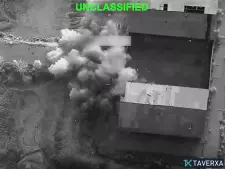
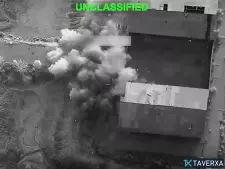
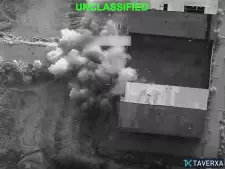
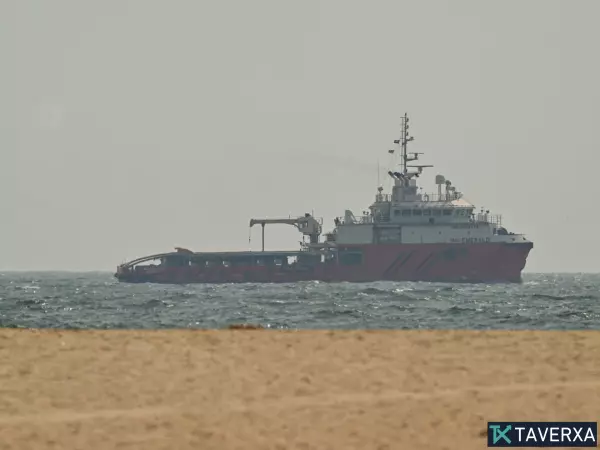
The latest military escalation was triggered by what US officials described as an unprovoked attack on a Cyprus-flagged container ship transiting the critical waterway. In response, Washington launched a series of precise, high-intensity strikes targeting key Iranian port cities. Reports from the region indicate that multiple explosions rocked the infrastructure of Bandar Abbas, Sirik, Chabahar, Bandar-e Deyr, and Asaluyeh. These locations serve as essential nodes for Iran's maritime and energy export capabilities, signaling a concerted effort by the US to cripple Tehran's ability to project power along the coast.
Wider Regional Instability and Missile Interceptions
The conflict is rapidly expanding beyond a bilateral confrontation between the US and Iran. Tensions have permeated throughout the Gulf Cooperation Council (GCC) states. Authorities in Bahrain, Qatar, and the United Arab Emirates (UAE) reported that their air defense systems have been active, successfully intercepting a barrage of incoming missiles and drones. Furthermore, Tehran has leveled accusations of an attack on Jordanian territory, adding another volatile layer to an already chaotic regional theater.
The Economic and Geopolitical Impact
The closure of the Strait of Hormuz—the world’s most important oil chokepoint—poses an existential risk to international trade. With a significant percentage of global oil production passing through this narrow passage, the IRGC’s move is widely viewed as a desperate but dangerous attempt to force international diplomatic intervention. As of July 12, 2026, the situation remains fluid, with both sides maintaining high-alert postures, leaving global markets and regional neighbors waiting to see if a full-scale war can be averted or if this escalation is merely the precursor to a more expansive conflict.