Escalation in the Gulf: US Targets Iran as Tehran Strikes Maritime and Regional Assets
Tensions soar as the US launches fresh strikes on Iranian territory, while Tehran reports lethal retaliatory attacks on regional military sites and tankers in the Strait of Hormuz.
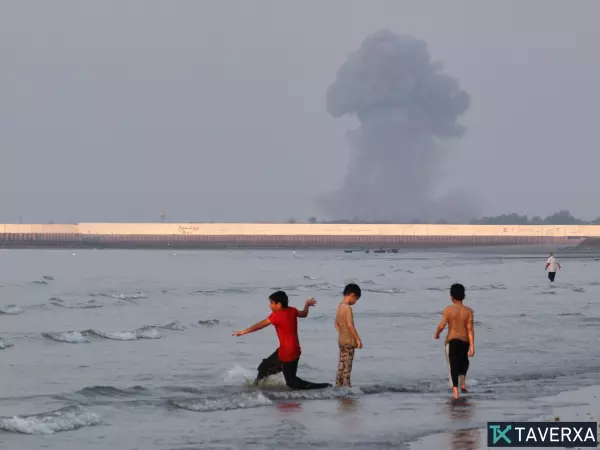
The regional conflict between the United States and Iran has taken a volatile turn, as military engagements intensify across the Persian Gulf and the broader Middle East. Following a series of strategic strikes by the US military, regional tensions have reached a boiling point, marked by a lethal encounter at sea and retaliatory actions against American interests.
Expanding US Military Operations
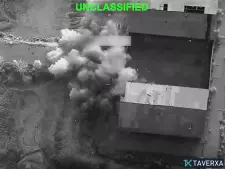
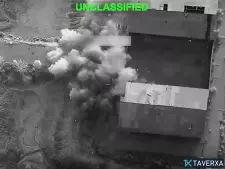
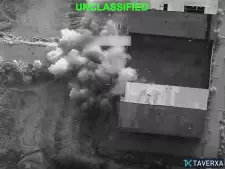
The United States has expanded its aerial and naval campaign, launching a new wave of attacks on Iranian territory. Reports from local Iranian media outlets confirm multiple explosions rocking key strategic sites, including Kish and Qeshm islands, as well as the coastal cities of Bushehr and Bandar Abbas. These strikes are part of a broader, sustained effort by Washington to degrade Iranian military infrastructure, though the extent of the damage remains under assessment.
Iranian Retaliation: Maritime and Regional Impact
Tehran has responded with a show of force, claiming successful strikes against US-aligned military installations in Kuwait, Bahrain, and Jordan. The situation at sea has proven particularly deadly, with an Iranian operation in the Strait of Hormuz resulting in at least one fatality. The strike targeted two oil supertankers, an escalation that threatens global energy supply chains and security in one of the world's most critical shipping lanes.
A Developing Crisis
As the conflict spills over into major regional corridors, analysts warn that the tit-for-tat exchanges are becoming increasingly unpredictable. The targeting of international maritime vessels and the direct strikes on military sites in neighboring nations suggest that the conflict has moved far beyond limited tactical engagements. International observers are calling for immediate de-escalation, fearing that continued violence could trigger a wider regional war that would have catastrophic implications for global stability.