Escalation in the Gulf: US Targets Iran as Tehran Strikes Back in Strategic Waters
Tensions soar as the US launches fresh strikes on Iran, and Tehran retaliates with attacks on military sites in the Gulf and shipping in the Strait of Hormuz.
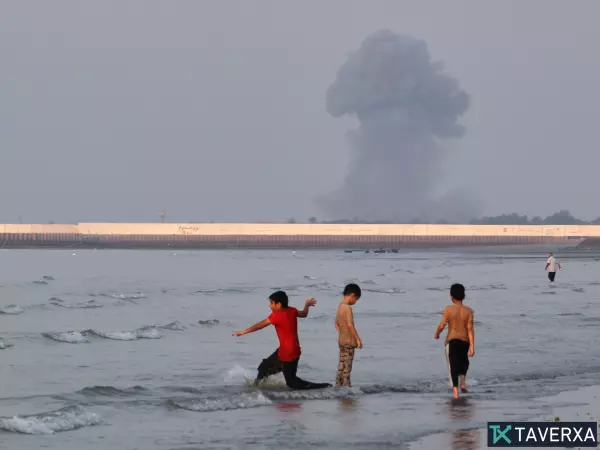
The regional conflict between the United States and Iran reached a volatile new peak on July 14, 2026, as both nations engaged in a series of direct military confrontations. The United States launched a fresh wave of aerial attacks targeting various locations within Iran, while Tehran retaliated with strikes against US-aligned military positions and commercial shipping lanes.
Fresh US Strikes on Iranian Territory
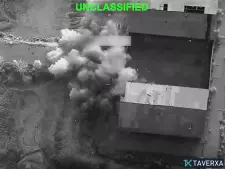
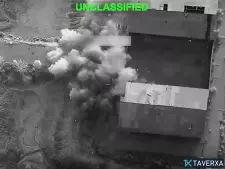
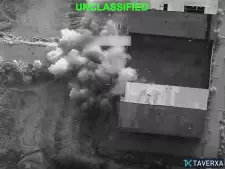
Reports emerging from the region indicate that US forces have conducted precision strikes on several Iranian sites. Explosions were documented across critical infrastructure areas, including Kish Island, Qeshm Island, the port city of Bandar Abbas, and the industrial hub of Bushehr. These actions represent a significant intensification of the ongoing military engagement between the two nations.
Iranian Retaliation: Military Sites and Shipping
In a clear shift in tactics, Tehran declared that it had successfully launched retaliatory strikes against US military installations stationed in Kuwait, Bahrain, and Jordan. Alongside these ground-based targets, the Iranian military confirmed strikes on two oil supertankers navigating through the strategically vital Strait of Hormuz. Initial reports confirm at least one fatality resulting from the attack on the shipping vessels, heightening concerns over global energy security.
A Developing Crisis
This exchange of fire marks a dangerous escalation in the US-Iran geopolitical struggle. With the Strait of Hormuz acting as a primary artery for the world's oil supply, any sustained military activity in these waters threatens to cause massive disruptions to the global economy. International observers remain deeply concerned that the cycle of attack and counter-attack could draw in neighboring nations, potentially destabilizing the broader Middle East. As both sides continue to assert their positions, the international community watches the region with bated breath, searching for potential pathways to de-escalation.