Escalation in the Gulf: US Reinstates Naval Blockade on Iranian Ports Amid Intensifying Conflict
The US has reimposed a naval blockade on Iranian ports following a breakdown of a peace MoU. Read about the latest strikes, IRGC retaliation, and the threat to global oil exports.

A Fragile Peace Shattered
In a dramatic reversal of diplomatic efforts, the United States has officially reimposed a comprehensive naval blockade on Iranian ports. This aggressive maneuver comes less than a month after both nations signed a Memorandum of Understanding (MoU) that was widely viewed as a pivotal step toward regional stability and peace. The collapse of this agreement signals a dangerous escalation in the ongoing US-Israel war on Iran, shifting the conflict from diplomatic tension to active maritime warfare.
US Central Command’s Strategic Strikes
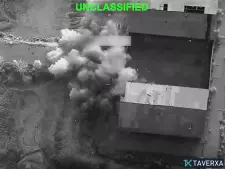
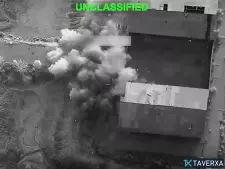
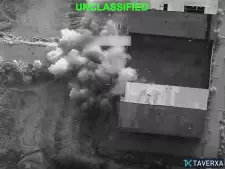
The US Central Command (CENTCOM) confirmed that on Wednesday, it executed a massive wave of precision attacks targeting Iranian military infrastructure. Beginning at approximately 02:00 GMT, US fighter jets, advanced drones, and naval vessels engaged in a seven-hour operation. The primary objectives were military targets situated near the strategically vital Strait of Hormuz and along Iran's southern coastal regions.
According to CENTCOM, the strikes focused on neutralizing Iranian missile and drone launch sites, naval operational capabilities, and coastal defense systems. However, the human cost has been significant. Iranian officials, including Ministry of Health spokesman Hossein Kermanpour, reported that over 30 civilians were killed and more than 260 people were injured. Reports from the Student News Network (SNN) indicate that a military base in Bampur, located in the Sistan and Baluchestan province, was among the targets. Additionally, a naval watchtower in Chabahar—which Iran claims was used for civilian search-and-rescue and maritime security—was reportedly destroyed.
Iran’s Retaliation and Regional Spillovers
Tehran did not remain passive. The Islamic Revolutionary Guard Corps (IRGC) responded with a series of retaliatory drone and missile strikes targeting US military assets across the region. The fallout has extended beyond the immediate borders of Iran and the US:
- Kuwait: The Kuwaiti Army reported missile and drone attacks that struck a Naval Force vessel, resulting in four personnel being wounded. Authorities have urged citizens to follow strict safety protocols.
- Bahrain: Air raid sirens were activated across the country, with the Ministry of Interior urging residents to seek shelter as the threat of aerial bombardment loomed.
- Jordan: The Jordanian military successfully intercepted and downed four Iranian ballistic missiles that had violated its national airspace.
Economic Warfare and the Energy Threat
The conflict has now extended into the financial and energy sectors. The US Department of the Treasury announced the freezing of over $130 million, sanctioning cryptocurrency wallets linked to the Central Bank of Iran to disrupt its funding capabilities.
In response, the IRGC issued a stark warning regarding the global energy market. Threatening to halt all energy exports from the Middle East, the IRGC stated that oil and gas exports would be "either for everyone or for no one," effectively threatening a global energy crisis if the blockade persists.
Diplomatic Breakdown and Future Outlook
The diplomatic bridge has effectively collapsed. Iranian Deputy Foreign Minister Kazem Gharibabadi has declared the previous MoU with the US null and void. Amir-Saeid Iravani, Iran’s permanent representative to the UN, informed Secretary-General Antonio Guterres that Washington has acted as an "aggressor," claiming the US purposefully undermined the peace agreement almost immediately after its signing.
Meanwhile, US Defense Secretary Pete Hegseth is leveraging the crisis to pressure regional allies. During a meeting with Iraqi Prime Minister Ali al-Zaidi, Hegseth insisted that Baghdad must disarm Iran-aligned militias and assert its own sovereignty as a condition for a deeper partnership with the United States.