Escalation in the Gulf: US Military Launches Second Wave of Strikes Against Iranian Capabilities
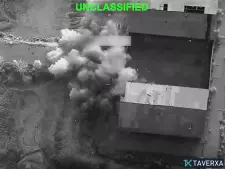
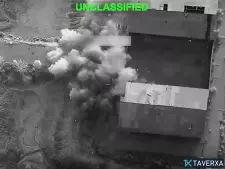
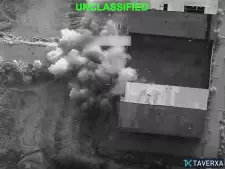
The US military has launched a second wave of strikes against Iranian military capabilities on its southern coast to protect shipping in the Strait of Hormuz.
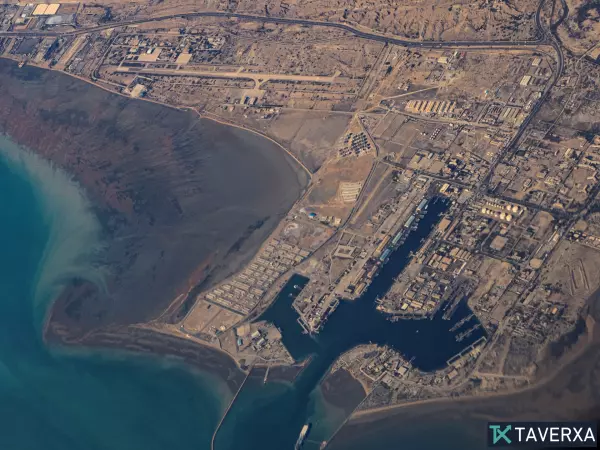
New Wave of US Air Strikes Targets Southern Iranian Coast
In a significant escalation of regional tensions, the United States military has executed a second wave of targeted strikes against Iranian military installations. According to the U.S. Central Command (CENTCOM), these operations were specifically designed to degrade and neutralize Iranian military capabilities that have been used to threaten and disrupt the free transit of commercial and military vessels through the Strait of Hormuz.
The latest strikes focused heavily on Iran's southern coastline, a strategic zone that serves as the primary launch point for Iranian naval and missile operations in the Persian Gulf. By targeting these assets, the US aims to restore stability to one of the world's most critical maritime chokepoints, ensuring that global shipping lanes remain open and secure from asymmetrical threats.
Iran's Response: A Balance Between Diplomacy and Defense
The Iranian leadership has reacted with a mixture of caution and resolve. Mohammed Bagher Ghalibaf, the Speaker of the Iranian Parliament and a top negotiator, issued a statement emphasizing that Iran does not seek an all-out conflict. "Iran has never welcomed war, nor do we now," Ghalibaf stated, underscoring a desire to avoid a full-scale regional conflagration.
However, the Iranian official paired this sentiment with a stern warning regarding national sovereignty. He asserted that the Islamic Republic must remain "prepared for battle" and stand firm in protecting its national security interests. This duality highlights the precarious position of the Iranian government, which must navigate the need for domestic stability and diplomatic leverage while facing direct military pressure from the West.
Strategic Significance of the Strait of Hormuz
The focus of these strikes on the southern coast is not incidental. The Strait of Hormuz is the world's most important oil transit passage, with millions of barrels of crude oil flowing through it daily. Any disruption in this area has immediate global economic repercussions, affecting energy prices and supply chains worldwide.
The US military strategy appears to be focused on 'degrading' capabilities—essentially stripping Iran of the means to execute sudden, high-impact attacks on shipping—without necessarily triggering a total war. Yet, as the strikes continue and the Iranian military remains on high alert, the risk of a miscalculation remains high.
Broader Geopolitical Implications
These developments come amidst a period of extreme volatility in the Middle East. With reports of Iran's various regional proxies facing disarray and ongoing questions about the internal stability of the Iranian leadership, the US strikes may be intended to project strength and deter further aggression. As the international community watches closely, the outcome of this military exchange will likely dictate the security architecture of the Persian Gulf for years to come.