Escalation in the Gulf: US Military Intensifies Strikes on Iran Amid Strategic Chaos
US military intensifies strikes on Iranian military and civilian targets, closing the Strait of Hormuz and triggering a wider regional conflict involving Israel and Gulf nations.
A Region on the Brink
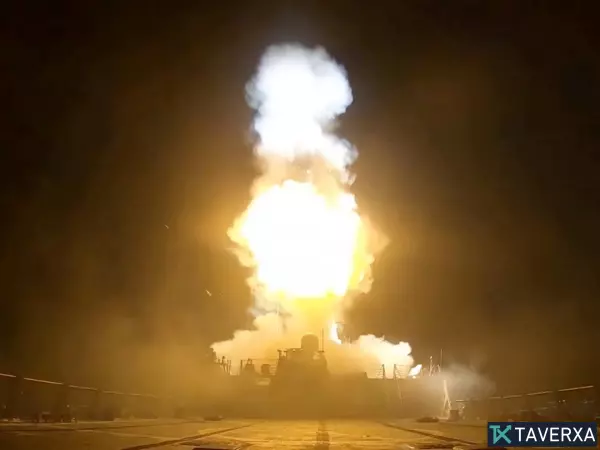
The fragile stability of the Middle East has once again fractured as the United States military launched a series of aggressive aerial campaigns across Iran. These strikes, marking the most intense bombardment since a tentative memorandum of understanding (MoU) was signed last month, signal a dangerous shift back toward full-scale conflict. Over the course of a single week, US fighter jets and warships targeted hundreds of installations, sparking widespread concern that a total war is once again imminent.
Targeting the Strategic Arteries
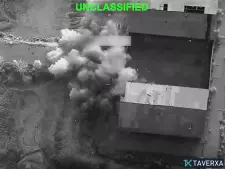
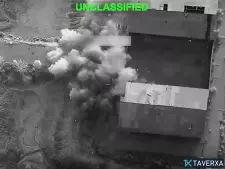
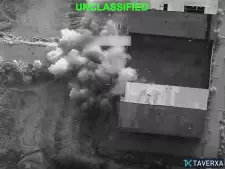
US Central Command (CENTCOM) has confirmed the execution of three massive waves of strikes, hitting over 300 military targets. The onslaught focused heavily on coastal surveillance, communications hubs, logistics networks, and naval assets. While the US officially denies targeting civilian infrastructure, reports from the ground suggest otherwise. In the province of Hormozgan, particularly around the critical port city of Bandar Abbas, fishing and coastal-control infrastructure were devastated, resulting in casualties among both military personnel and civilians.
The strategic focus has remained on the Strait of Hormuz, the world's most vital oil chokepoint. The Islamic Revolutionary Guard Corps (IRGC) has declared the strait closed following US interventions, reporting that vessels attempting to use Western-backed routes near Oman were struck. In a fierce retaliatory move, Iran has extended its reach, launching attacks on US interests in Bahrain, Kuwait, Jordan, Qatar, and Oman, effectively turning the regional skirmish into a multilateral crisis.
Deep Penetration and Economic Sabotage
Perhaps most alarming to Iranian authorities is the depth of the US incursions. For the first time since the April ceasefire, US projectiles have penetrated deep into northern territories. In the Golestan province, the Aq Tekeh Khan railway bridge was destroyed. This is not merely a tactical military strike but a strategic economic blow; the bridge is a vital link to Turkmenistan, Russia, and China, providing a crucial overland alternative to the naval blockade in the south.
Furthermore, the US has targeted energy infrastructure, causing a catastrophic loss of approximately 4,200 megawatts of electricity generation. With summer temperatures soaring to 40 degrees Celsius (104 Fahrenheit), the resulting power outages have pushed the Iranian populace to the edge of endurance, exacerbating an already crumbling economy.
Political Instability and the Quest for Revenge
The timing of these attacks has coincided with a period of profound political transition in Tehran. Following the assassination of Supreme Leader Ayatollah Ali Khamenei, the US struck a bridge near Mashhad during the funeral processions. The new leader, Mojtaba Khamenei, who has remained largely secluded since succeeding his father, has issued a stern mandate for revenge through state media.
The atmosphere in Tehran is one of anxious anticipation. While the capital has remained largely untouched, residents describe a sense of impending doom. “Everything is too chaotic right now to guess what will happen next, but it doesn’t look good,” says Farshad, a 21-year-old resident, echoing the sentiments of millions who fear the return of daily bombings.
The Israeli Factor and the Collapse of Diplomacy
While the US and Iran are the primary combatants, Israel has played a pivotal role in undermining diplomatic efforts. By intensifying operations in southern Lebanon and signaling a readiness to strike Iran directly, Israel has effectively rendered the June 17 MoU obsolete. Israeli Defence Minister Israel Katz has gone as far as threatening the assassination of Mojtaba Khamenei and suggesting that southern Lebanon will be treated with the same level of conquest as the "Rafah model" used in Gaza.
As diplomatic channels wither and military assets continue to clash, the window for a peaceful resolution is closing, leaving the region suspended in a state of high-tension volatility.