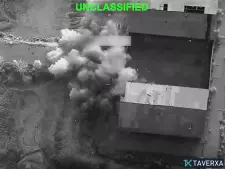
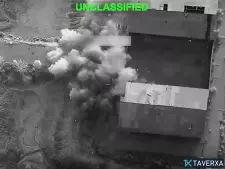
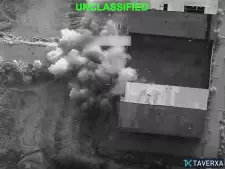
Escalation in the Gulf: US Launches Wave of Strikes Across Iran as Maritime Tensions Peak
US forces launch extensive attacks on Iranian cities including Bandar Abbas and Bushehr, while Iran retaliates against US sites in Kuwait and Bahrain. Read more on the Gulf crisis.
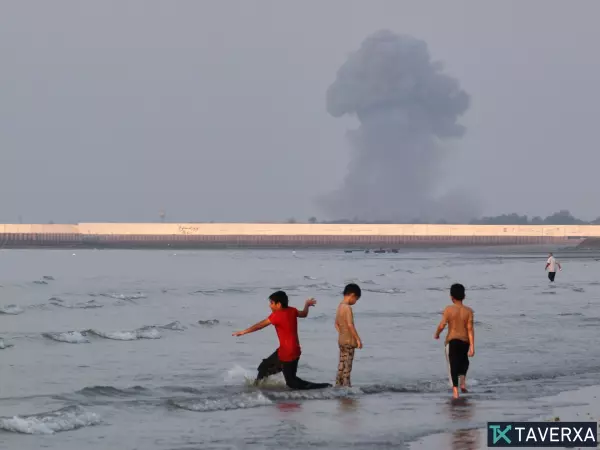
Military Escalation in the Persian Gulf
The geopolitical landscape of the Middle East has shifted toward a high-intensity conflict as the United States military launched a series of coordinated attacks across multiple Iranian strategic locations. In a significant escalation of hostilities, Iranian media outlets have confirmed a wave of explosions hitting key coastal and island territories, signaling a broadening of the conflict beyond localized skirmishes.
Strategic Targets and Iranian Impact
Reports from within Iran indicate that the US strikes targeted several critical maritime and urban centers. Explosions were reported in Bandar Abbas, a vital port city and the headquarters of the Iranian Navy, as well as the strategic hubs of Bushehr. The strikes also extended to the islands of Kish, Qeshm, and Jam, which serve as pivotal points for Iranian maritime surveillance and regional influence.
Among the most notable tactical developments is the reported use of drone boats by US forces to strike Iranian vessels. This first-of-its-kind attack marks a shift in naval warfare tactics in the region, utilizing autonomous or semi-autonomous platforms to penetrate defenses and strike high-value targets with precision.
Iran's Retaliatory Response
Tehran has responded swiftly to the American offensive. Iranian officials have claimed that their forces successfully targeted US military installations located in Kuwait and Bahrain. Furthermore, Iran has asserted that it neutralized a "hostile vessel of the American enemy," indicating a determined effort to retaliate against US naval presence in the Arabian Gulf.
Collateral Damage and Maritime Crisis
The conflict has already spilled over into commercial shipping, threatening the stability of global energy markets. The United Arab Emirates (UAE) has confirmed that at least one person was killed following a strike on an oil tanker. This incident underscores the extreme volatility of the Strait of Hormuz, one of the world's most critical chokepoints for oil transit.
The involvement of the Islamic Revolutionary Guard Corps (IRGC) in attacking supertankers has raised international alarms, as the risk of a total blockade of the Strait of Hormuz becomes a tangible possibility, potentially triggering a global economic shock.
Global Implications and the Path Forward
The resumption of these strikes comes at a fragile time for diplomatic efforts. With previous Memorandums of Understanding (MoU) and peace talks seemingly sidelined, the current cycle of violence suggests a breakdown in communication between Washington and Tehran. The international community now watches closely to see if this escalation will lead to a full-scale regional war or if diplomatic intermediaries can broker a ceasefire to prevent a catastrophic collapse of maritime security in the Gulf.