Escalation in the Gulf: US Launches Strategic Strikes to Degrade Iranian Military Capabilities
The US has launched new strikes against Iran to degrade military capabilities following tensions over the Strait of Hormuz and a failed ceasefire agreement.
Military Escalation in the Strait of Hormuz
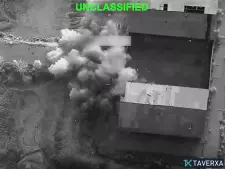
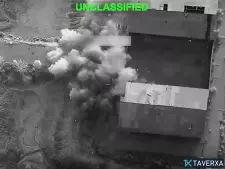
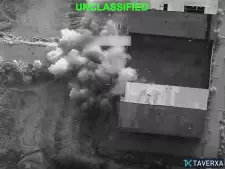
In a significant escalation of regional tensions, the United States has initiated a new wave of early-morning airstrikes targeting military assets across Iran. US Central Command (CENTCOM), the entity overseeing military operations in the Middle East, confirmed that these strikes were specifically designed to 'degrade' Iran's ability to disrupt commercial shipping and target civilian mariners within the strategically vital Strait of Hormuz.
The operation was authorized by President Donald Trump, who emphasized the need to hold Iranian forces accountable for recent provocations. According to reports from Iranian state media, explosions were felt in several key areas bordering the strait, including Sirik, Jask, Qeshm Island, and regions west of Bandar Abbas. While the Hormozgan province governorate reported that no civilian casualties have occurred thus far, the strikes signal a hardline shift in the US approach to the conflict.
A Fraying Ceasefire and the Struggle for Maritime Control
These attacks mark a critical breakdown of a memorandum of understanding (MOU) signed in June, which had aimed to bring an "immediate and permanent" halt to hostilities. The MOU was intended to pave the way for broader negotiations to end a war initiated by the US and Israel on February 28. However, the agreement has frayed rapidly over the issue of sovereignty and control of the Strait of Hormuz.
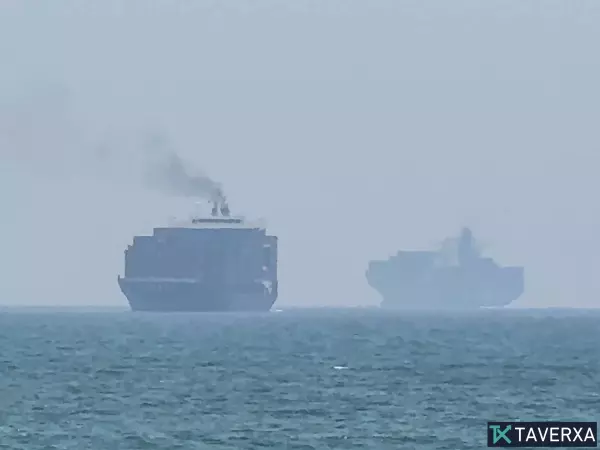
The Strait of Hormuz is one of the world's most critical maritime arteries, with nearly 20 percent of the global oil and natural gas supply passing through its waters. Since the onset of the war in February, global fuel prices have spiked as Iran restricted trade and asserted its territorial rights over the waterway.
Under the terms of the June MOU, Iran agreed to make its "best efforts" to allow commercial traffic to pass without fees for a 60-day period. Despite this, Iran has continued to deploy drones against container ships and tankers, claiming the vessels were ignoring warnings or using unapproved routes.
Tit-for-Tat Warfare: Targets and Responses
The current military exchange began on July 7, evolving into a series of tit-for-tat strikes. On Saturday night alone, US Central Command reported hitting approximately 140 Iranian military targets, including sites dedicated to missile production, drone operations, surveillance, and naval infrastructure.
CENTCOM specifically cited an attack on the Cyprus-registered ship M/V GFS Galaxy—which reportedly left a crew member missing—as a primary catalyst for the intensity of the recent strikes. In response, Iran has launched counter-attacks against US military installations across the region, striking sites in Jordan, Bahrain, Kuwait, Qatar, and Oman.
Diplomatic Deadlock and Humanitarian Concerns
The geopolitical fallout has left the international community on edge. UN Secretary-General Antonio Guterres has called for "maximum restraint," warning against further escalatory actions that could reignite a full-scale regional war. UN estimates suggest that approximately 6,000 seafarers remain stranded in the waterway due to the ongoing conflict.
President Trump has signaled that the ceasefire established by the MOU is effectively "over," although he maintained that diplomatic talks may continue. Meanwhile, Iran's Ministry of Foreign Affairs, via spokesperson Esmaeil Baghaei, has urged neighboring countries to stop allowing the US to use their territories as "launchpads for aggression," arguing that Iran's responses are a legitimate exercise of self-defense under international law.